Optimize Dental Treatment Planning Workflow | Improve Efficiency & Case Acceptance
Learn how to optimize dental treatment planning workflows by integrating diagnosis, data, communication, and technology to improve efficiency and case acceptance.
Optimizing Dental Treatment Planning Workflows: Connecting Diagnosis, Data, and Patient Communication
Dental clinics today face a common challenge: treatment planning workflows that are fragmented, inefficient, or disconnected from patient engagement. Many practices struggle to balance clinical accuracy with operational efficiency, resulting in delays, miscommunication, and lower case acceptance.
Optimizing dental treatment planning workflow is not just about improving clinical precision—it’s about building a seamless system that connects diagnosis, decision-making, workflow coordination, and patient communication.
Modern research highlights that digital and structured workflows significantly improve efficiency, reduce errors, and enhance patient outcomes in dental practices.
By approaching treatment planning as an integrated system rather than isolated steps, practices can streamline operations, improve patient understanding, and drive sustainable growth.
 The Diagnosis and Data Disconnect
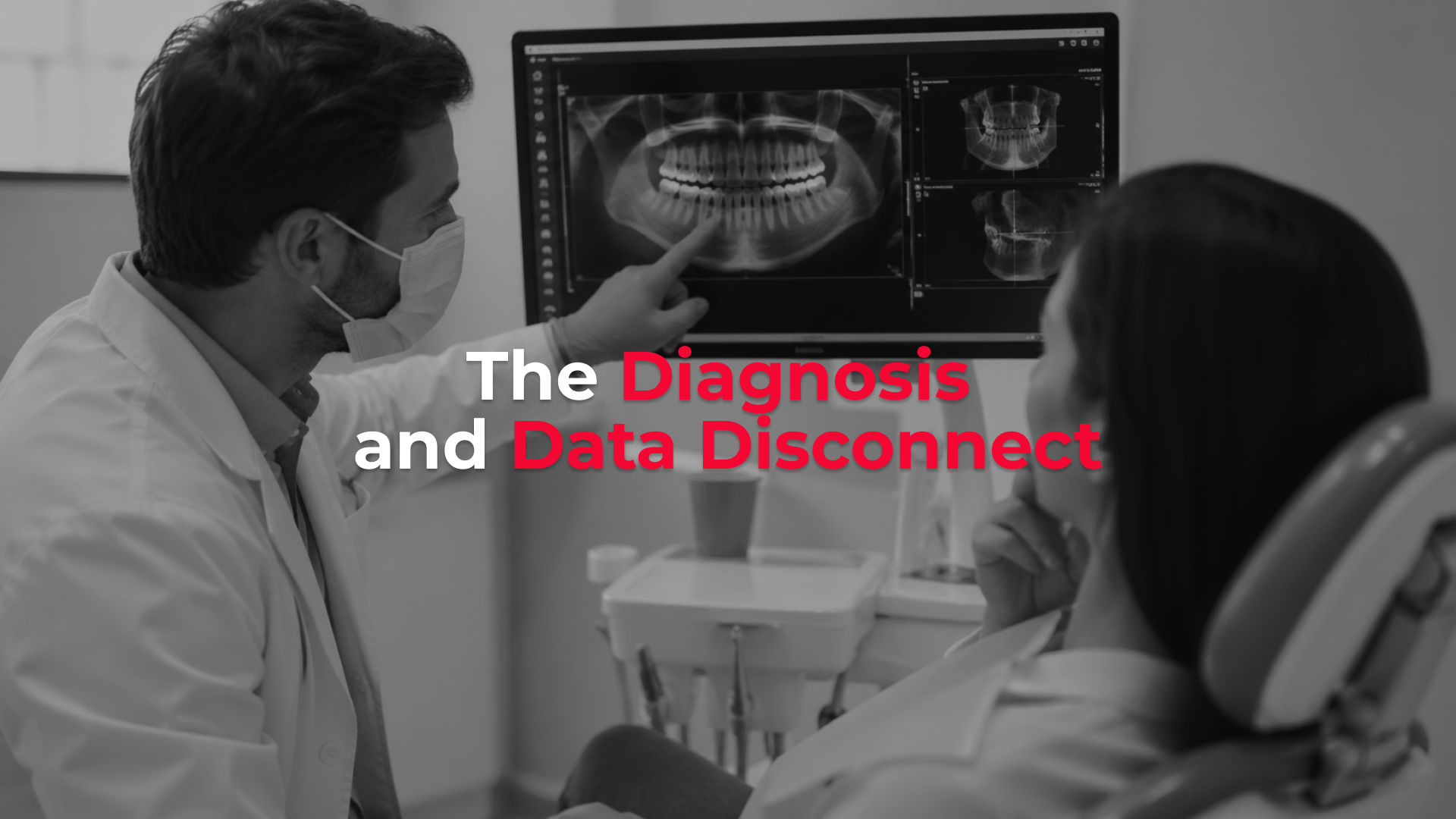
One of the biggest inefficiencies in dental clinics arises from the disconnect between diagnosis and treatment planning execution. Clinical findings are often captured during examinations, but transferring this information into structured treatment plans and communicating it effectively to patients remains slow and error-prone.
Fragmented data leads to operational friction, increasing the risk of miscommunication and delays that negatively impact patient experience and case acceptance.
Modern workflows solve this by integrating systems, as seen in data-driven dental practice decision making, where clinical data flows seamlessly across systems for faster and more accurate planning.
Digital workflows address this issue by integrating diagnostic tools—such as radiographs, intraoral scans, and clinical notes—directly into treatment planning systems. This integration ensures that data flows seamlessly across the workflow, improving both speed and accuracy.
Studies show that integrated digital workflows enhance precision and reduce manual errors while improving collaboration between clinical and administrative teams.
 Workflow Coordination: Streamlining for Efficiency
A lack of structured workflow coordination often causes delays in treatment planning. When roles, responsibilities, and timelines are unclear, tasks become fragmented and patient communication suffers.
Optimizing treatment planning workflows requires defining a clear, step-by-step system that connects every stage—from diagnosis to treatment presentation. This includes assigning responsibilities, setting timelines, and ensuring parallel task execution across teams.
For example, while clinical teams finalize treatment plans, front office staff can simultaneously prepare financial options and patient education materials. This reduces waiting time and improves the overall patient experience.
Healthcare workflow research demonstrates that structured workflow systems and process optimization can significantly reduce delays and improve productivity in dental practices.
Practices can address this by focusing on improving dental practice efficiency through workflow optimization, ensuring every step is clearly defined and executed.
Additionally, reducing inefficiencies aligns with reducing administrative overhead in dental practices, where streamlined systems eliminate unnecessary delays and duplication of work.
Digital workflow adoption has been shown to significantly improve efficiency, accuracy, and turnaround time in dental practices.
 Enhancing Patient Communication Throughout the Journey
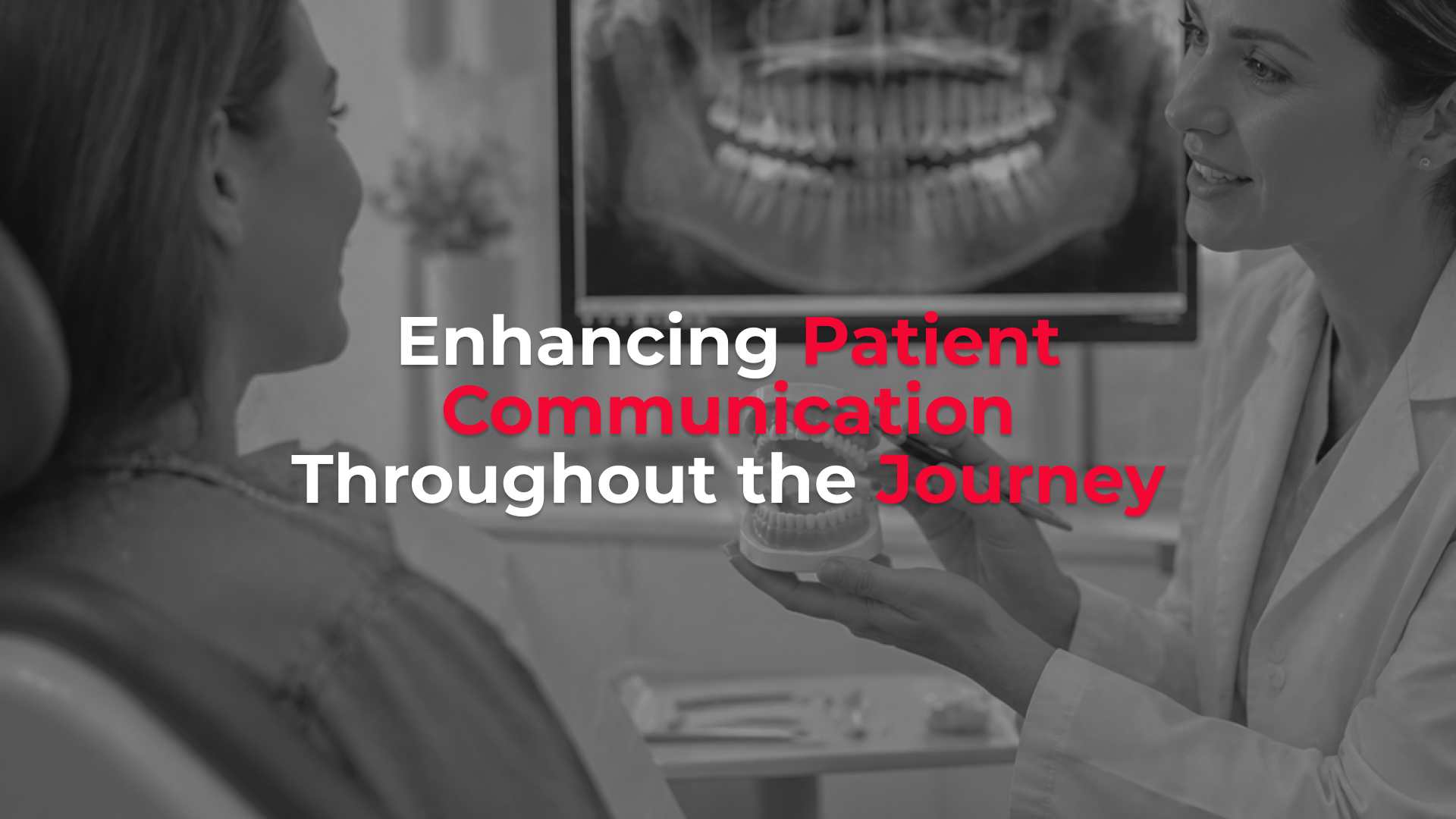
Patient communication plays a critical role in treatment planning but is often under-optimized. Patients need clear, understandable, and timely information to make confident decisions about their care.
Embedding communication directly into the workflow—through digital treatment presentations, visual aids, and automated follow-ups—improves patient understanding and engagement.
Digital dentistry studies show that enhanced communication and visualization tools improve patient satisfaction and increase treatment acceptance rates.
When patients fully understand their treatment options, they are more likely to proceed, reducing delays and improving overall practice performance.
 Leveraging Technology and AI to Elevate Planning Workflows
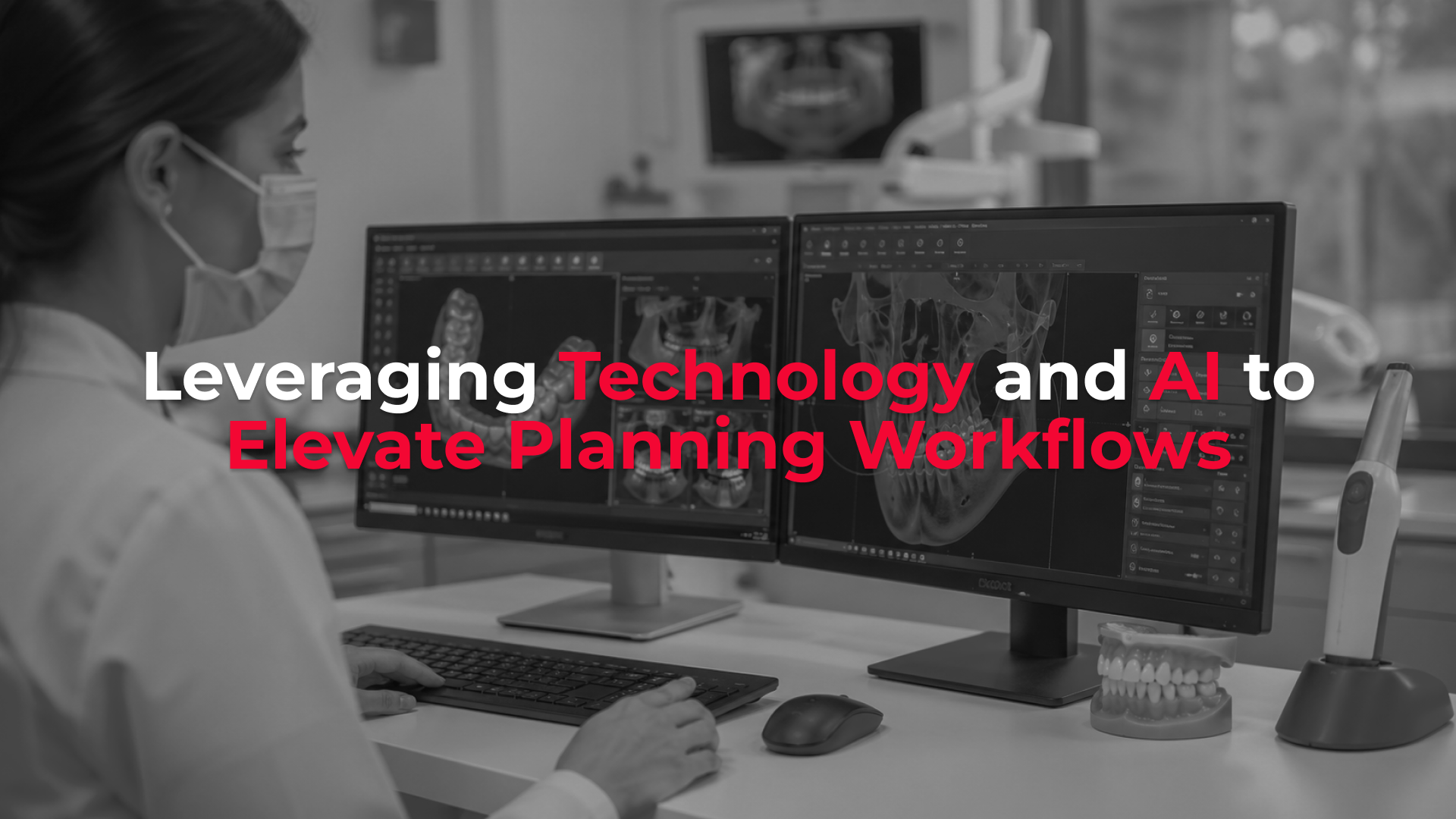
Technology is transforming treatment planning workflows, with digital and AI-driven systems playing a central role.
This transformation aligns with the shift toward AI-driven dental operations and workflow automation, where predictive insights and automation improve planning accuracy and efficiency.
Modern digital workflows typically include scanning, treatment planning using CAD/CAM software, and automated design or manufacturing processes.
AI-powered tools further enhance this process by analyzing diagnostic data, suggesting treatment options, and predicting outcomes. These capabilities reduce manual effort, improve decision-making accuracy, and enable more personalized treatment plans.
Additionally, practices can enhance performance by tracking dental practice performance metrics and outcomes, ensuring treatment planning contributes to measurable business results.
Studies show that digital workflows can reduce treatment time by up to 60% and significantly improve efficiency and patient outcomes.
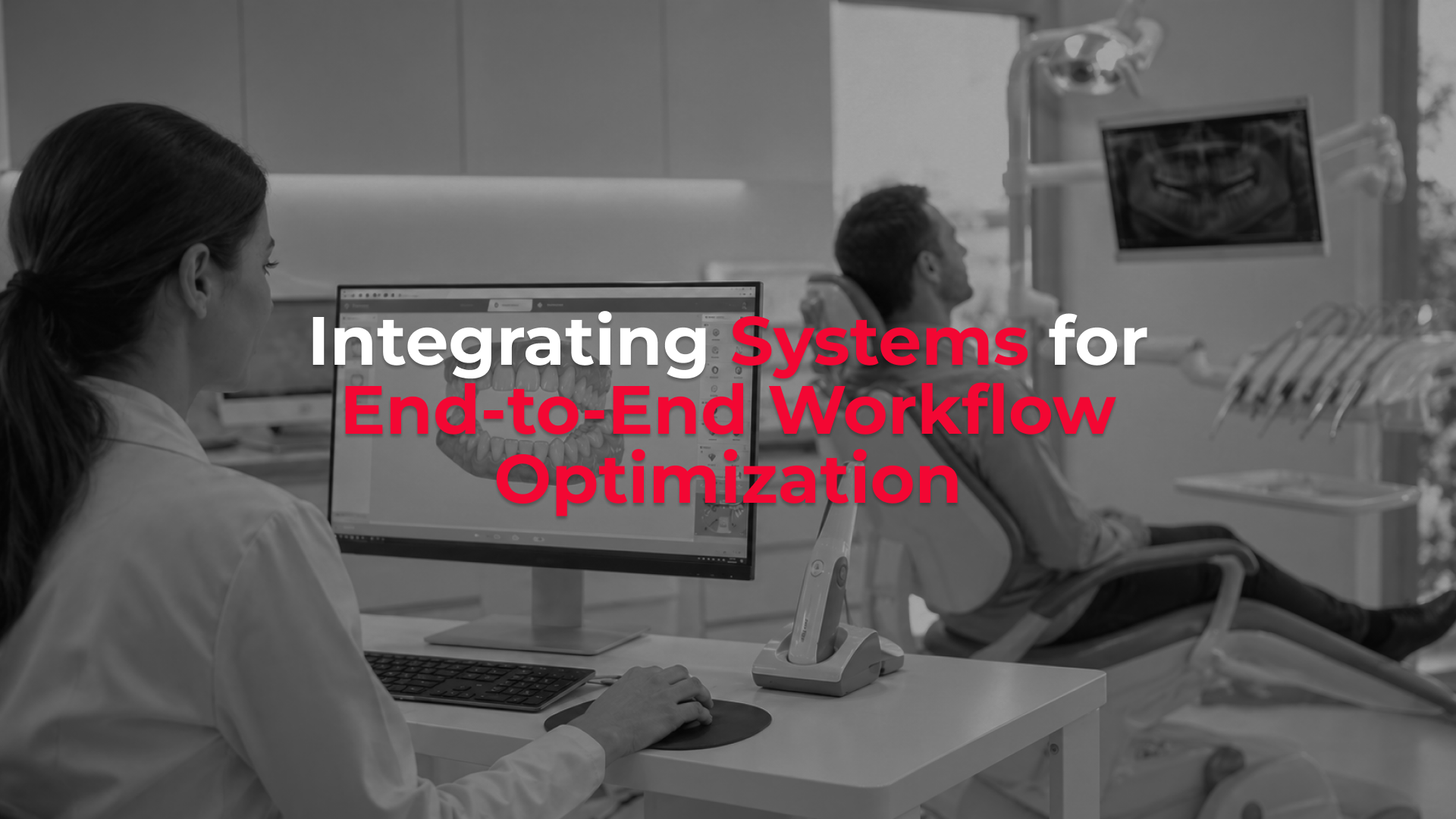 Integrating Systems for End-to-End Workflow Optimization
Managing treatment planning workflows with disconnected tools creates inefficiencies and limits scalability. Integrated systems provide a unified approach by connecting diagnosis, workflow management, patient communication, and analytics into a single platform.
These systems improve visibility across the entire treatment planning process, allowing leadership to identify bottlenecks, track performance, and implement targeted improvements.
Practices can strengthen system-wide performance by improving staff accountability in dental practices, ensuring every stage of the workflow has clear ownership and execution.
This integrated approach also supports better coordination across teams and improves overall operational clarity.
Conclusion: Building a Connected Treatment Planning System
Optimizing dental treatment planning workflow requires more than clinical expertise—it requires system-level thinking.
By integrating diagnosis, data, workflow coordination, patient communication, and technology, dental practices can create a seamless and efficient treatment planning process.
This approach not only improves operational efficiency but also enhances patient understanding, increases case acceptance, and supports long-term practice growth.
As dentistry continues to evolve toward digital and data-driven systems, practices that adopt integrated workflows will be better positioned to deliver high-quality care and achieve sustainable success.
References
- Journal of Dental Research. (2022). Impact of Digital Integration on Treatment Planning Efficiency.
- Dental Economics. (2023). AI and Workflow Optimization in Dentistry.
- American Dental Association. (2023). Patient Communication and Treatment Acceptance Trends.
- Karvekar, S. (2026). Digital Dentistry and AI in Treatment Planning.
- Digital Dentistry Workflow Review. (2025). Efficiency and Accuracy in Modern Dentistry.
- Integrated Workflow Optimization in Dentistry. (2025). Operational Efficiency Framework.