How to Improve Staff Accountability in Dental Practice | Systems for Better Team Performance
Learn how to improve staff accountability in dental practices using systems, visibility, and performance metrics to boost efficiency and team productivity.
How to Improve Staff Accountability in Dental Practices: Visibility, Systems, and Measurable Performance
Dental clinics today face a common challenge: ensuring that every team member consistently delivers their best work. Many practice owners and managers struggle with staff accountability in dental practice, often mistaking it for motivation or discipline.
However, accountability is not about control—it’s about creating systems that make performance visible, measurable, and consistent. When done right, this approach strengthens dental team accountability, improves workflow management, and drives better overall performance.
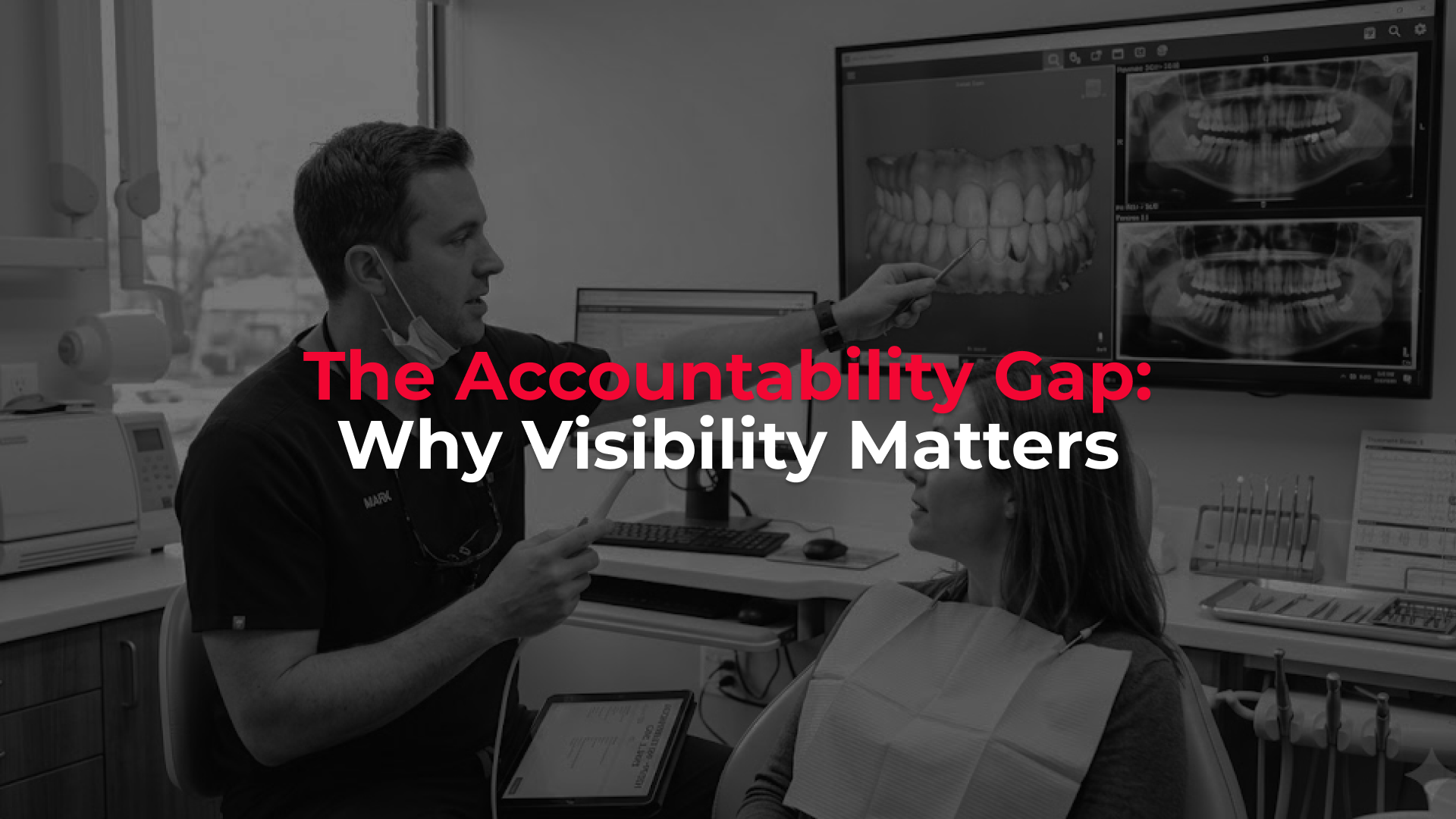 The Accountability Gap: Why Visibility Matters
A major issue in dental practices is the lack of visibility into daily operations and individual responsibilities. Without transparent systems, tasks can easily be missed, and performance issues often surface only after they affect patient care or clinic efficiency.
For example, missed confirmations or incomplete workflows often lead to inefficiencies. Clinics can address these issues by focusing on front desk efficiency in dental offices, ensuring better coordination and task ownership.
Research in healthcare systems highlights that lack of accountability structures leads to inefficiencies and delays in care delivery, emphasizing the importance of visibility and defined responsibility frameworks.
The solution lies in implementing systems that provide real-time tracking of tasks, workflows, and outcomes—allowing leaders to act proactively rather than reactively.
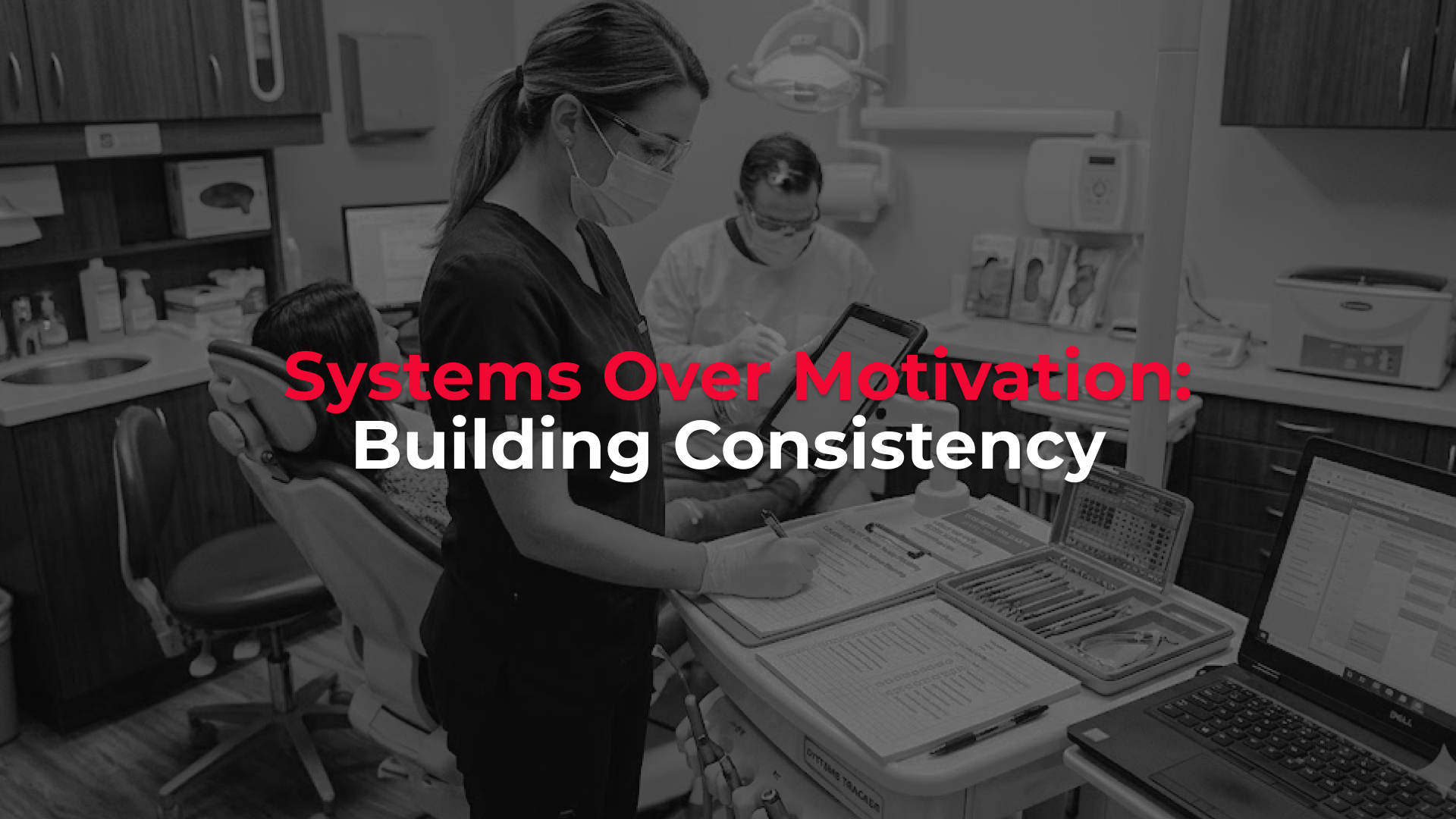 Systems Over Motivation: Building Consistency
Relying solely on motivation to drive accountability leads to inconsistency. Motivation fluctuates, and discipline without structure often results in burnout or disengagement.
Instead, high-performing dental practices embed accountability into their workflows through systems.
For instance, standardized checklists within practice management systems ensure that every clinical and administrative step is completed and recorded. This creates consistency while also generating measurable data.
Healthcare research shows that structured accountability systems combined with performance tracking significantly improve organizational behavior and outcomes.
When accountability is system-driven, it becomes part of daily operations—not an added burden.
This aligns with strategies used in AI-driven dental practice management, where workflows are standardized and monitored consistently.
It also connects with broader efforts to reduce administrative overhead through automation and systemization.
 Measurable Performance: The Foundation of Accountability
True accountability requires measurable performance indicators. Without metrics, it becomes difficult to evaluate whether teams are meeting expectations or where improvements are needed.
Key performance indicators in dental practices may include:
- Appointment adherence rates
- Patient wait times
- Treatment plan acceptance
- Billing accuracy
- Task completion rates
Many practices struggle because they lack meaningful metrics tied to workflows.
Studies in healthcare performance management show that feedback and measurable performance data directly influence organizational improvement and staff behavior.
By tracking the right metrics, leaders can identify gaps, optimize workflows, and create targeted improvements.
 Real-World Impact: Accountability in Action
Consider a mid-sized dental practice that implements a structured workflow and accountability system.
By tracking task completion across departments and improving visibility into operations, the practice reduced missed steps in patient workflows and improved scheduling efficiency.
Within months, they saw measurable improvements in team performance, patient experience, and operational consistency.
This reflects a broader trend in healthcare, where accountability frameworks help improve both efficiency and service quality when properly implemented.
 Leveraging Technology for Sustainable Accountability
Modern dental practices are increasingly adopting technology to support accountability.
AI-powered and data-driven systems provide:
- Real-time dashboards
- Automated task tracking
- Performance analytics
- Workflow visibility
These tools reduce operational friction and provide leadership with actionable insights.
Rather than relying on manual oversight, practices can use technology to create a transparent and consistent accountability system across teams.
 Conclusion: Building a Culture of Accountability Through Systems
Improving staff accountability in dental practice is not about micromanagement—it’s about creating clarity.
By implementing systems that provide visibility, defining measurable performance metrics, and leveraging technology, clinics can build a culture where accountability is consistent and sustainable.
The most successful practices don’t rely on reminders or supervision—they build systems where accountability is embedded into everyday workflows.
When accountability becomes part of the system, teams perform better, operations run smoother, and patient outcomes improve.
References
- National Academies of Sciences, Engineering, and Medicine. (2024). Accountability in Healthcare Systems and Its Role in Improving Outcomes.
- Fukami, T. (2024). Enhancing Healthcare Accountability for Administrators.
- Hong, S., et al. (2024). Performance Feedback in Healthcare Organizations and Its Impact on Organizational Behavior.
- SAGE Journals. (2024). Accountability Frameworks and Their Role in Improving Healthcare Efficiency.
- Priyadarshi, M. (2020). Accountability in Healthcare Systems.