Reduce Dental Administrative Costs: Streamline Your Practice Efficiently
Learn how to reduce dental administrative overhead with automation, better workflows, and data-driven strategies to improve efficiency and clinic performance.
Reducing Administrative Overhead in Dental Practices: Practical Strategies to Streamline Operations
Running a successful dental practice goes far beyond delivering excellent patient care. Behind the scenes, many clinic owners and managers struggle with a growing burden of administrative tasks that consume time, increase costs, and slow down operations. This rising dental administrative overhead not only impacts efficiency but also limits your team’s ability to focus on patient care and practice growth.
Learning how to reduce dental administrative costs is essential for building a more efficient, scalable, and profitable dental practice.
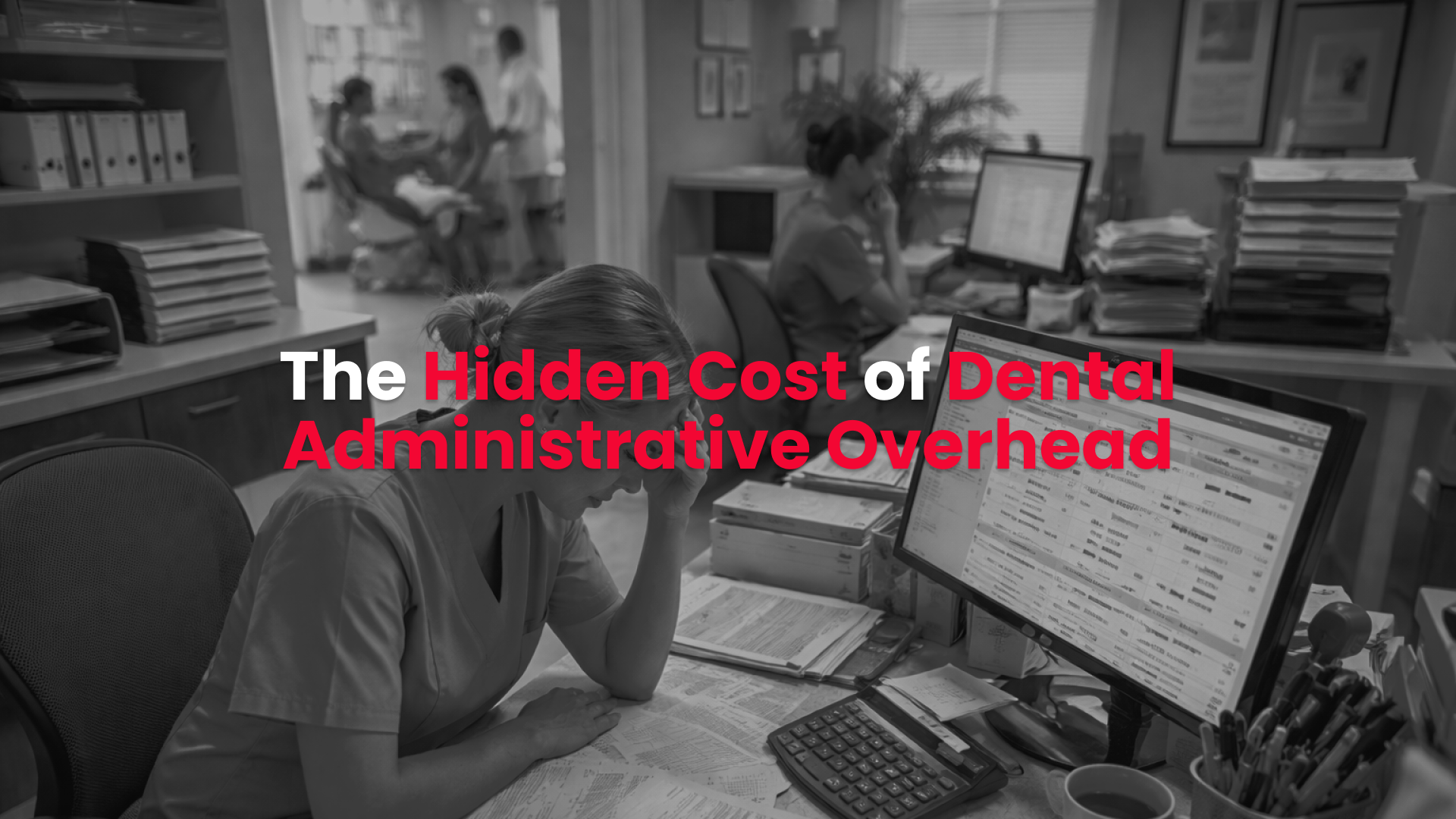 The Hidden Cost of Dental Administrative Overhead
Consider a typical day in a busy dental clinic. Reception teams handle appointment scheduling, insurance verification, billing, and compliance paperwork—all while managing patient interactions. While these tasks are necessary, they are often repetitive, manual, and prone to delays.
Over time, this administrative burden creates inefficiencies that increase operational costs and reduce productivity. When your team is overwhelmed with back-office work, it directly impacts patient experience, staff morale, and overall clinic performance. Reducing this overhead isn’t just about saving time—it’s about reclaiming operational control.
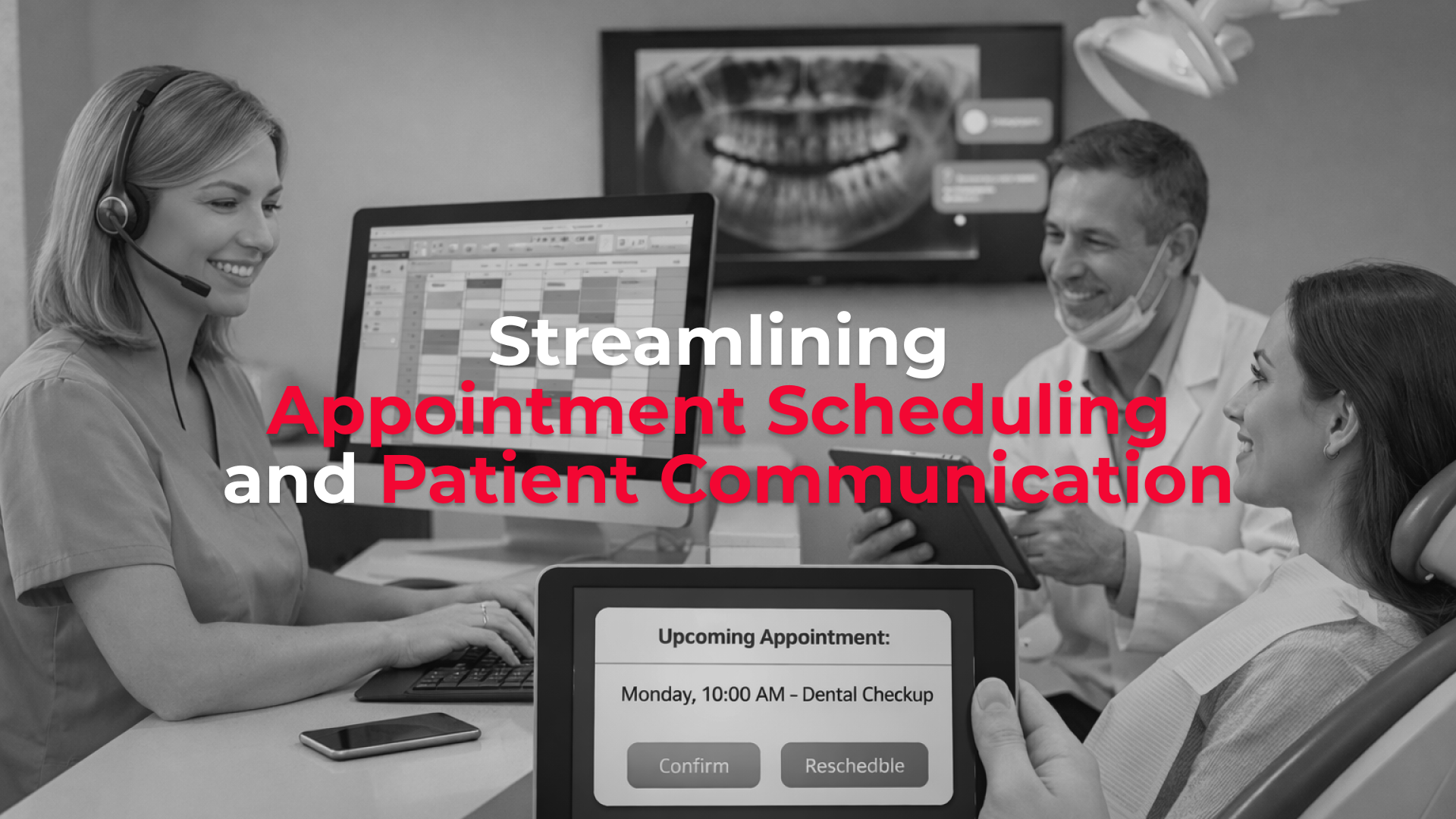 Streamlining Appointment Scheduling and Patient Communication
Appointment scheduling is one of the biggest contributors to administrative workload in dental clinics. Traditional phone-based systems often lead to missed calls, scheduling conflicts, and last-minute cancellations, disrupting the entire workflow.
By implementing automated scheduling systems, clinics can significantly reduce administrative workload dental teams face. Patients can book, reschedule, or cancel appointments online, while real-time updates prevent double bookings. Automated reminders via SMS or email help reduce no-shows, ensuring a more predictable schedule and improving overall dental practice efficiency.
 Simplifying Insurance Claims and Billing Processes
Insurance and billing processes are among the most time-consuming administrative tasks in any dental practice. Manual data entry, claim errors, and delayed follow-ups can result in rejected claims and lost revenue.
Adopting dental practice automation for billing and insurance workflows helps eliminate these inefficiencies. Integrated systems ensure accurate submissions, faster processing, and better tracking of outstanding payments. Clinics that implement automation often see fewer claim rejections, quicker reimbursements, and a significant reduction in administrative workload.
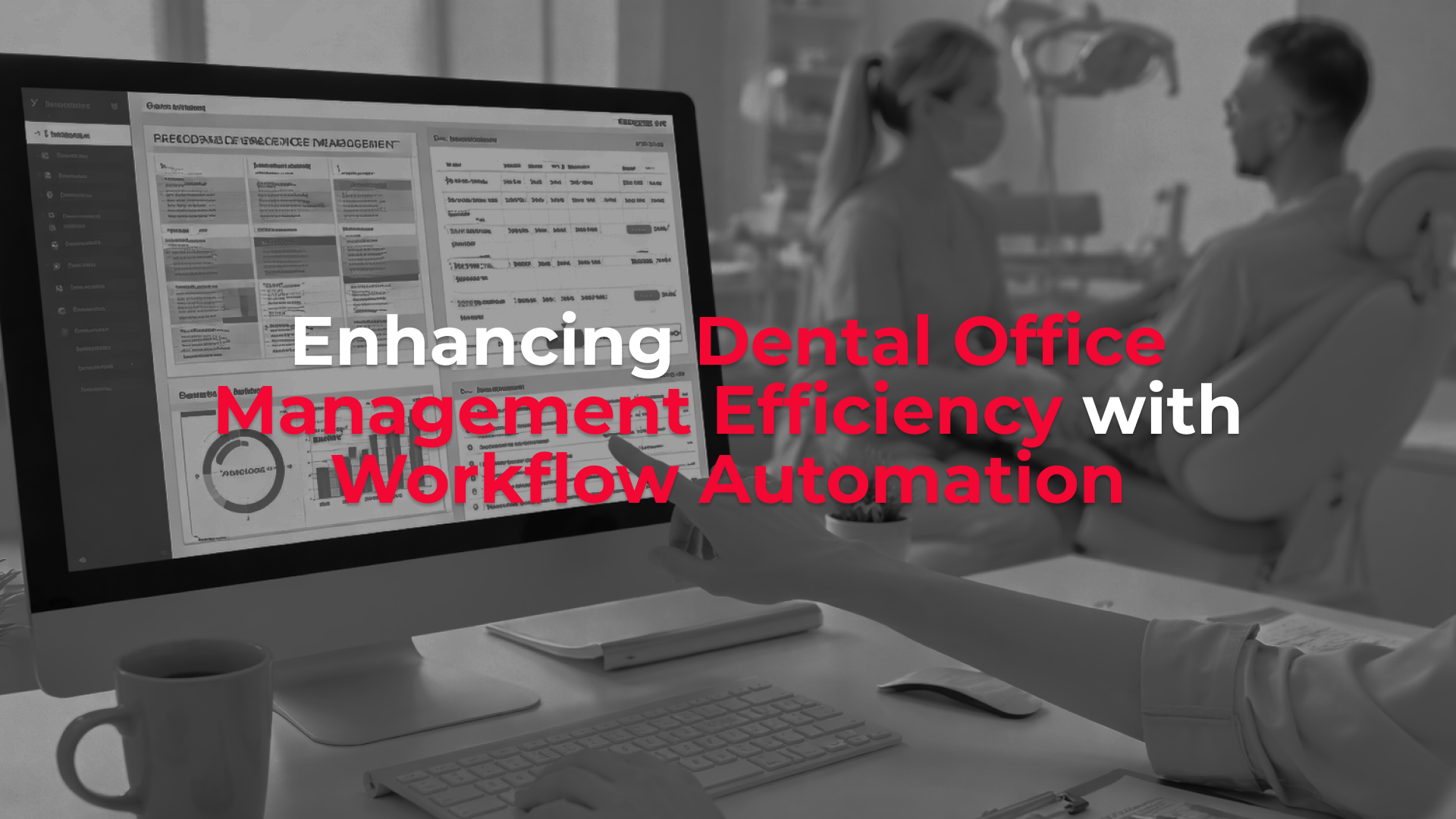 Enhancing Dental Office Management Efficiency with Workflow Automation
Administrative overhead extends beyond scheduling and billing. Tasks like inventory management, staff coordination, and compliance tracking add layers of complexity to daily operations. When handled manually, these processes increase the risk of errors and inefficiencies.
Using dental workflow automation, clinics can centralize operations into a single system with real-time dashboards and alerts. Automated inventory tracking prevents supply shortages, while optimized staff scheduling ensures better resource utilization. These improvements directly enhance dental office management efficiency, allowing practices to operate smoothly with less manual effort.
 Using Data to Identify and Eliminate Operational Inefficiencies
One of the most effective ways to reduce dental administrative costs is by leveraging data. Without visibility into operational performance, clinics often struggle to identify where time and resources are being wasted.
With the help of analytics tools, practices can track appointment trends, billing cycles, and patient behavior to uncover inefficiencies. For example, identifying peak hours can help optimize staffing, while analyzing missed appointments can improve scheduling strategies. Data-driven decisions allow clinics to continuously refine operations and reduce unnecessary administrative work.
 Leveraging Dental SaaS Platforms for Scalable Growth
Modern dental SaaS platforms play a crucial role in reducing administrative overhead. By integrating scheduling, billing, communication, and analytics into one system, these platforms eliminate the need for multiple disconnected tools.
With automation and real-time insights, clinic owners can make faster, more accurate decisions while reducing dependency on manual processes. The result is a more agile and scalable practice that can handle growth without increasing administrative burden.
 Conclusion: Build a More Efficient and Scalable Dental Practice
Reducing dental administrative overhead is not about cutting corners—it’s about optimizing how your practice operates. By streamlining scheduling, automating billing processes, improving workflow management, and leveraging data insights, clinics can significantly reduce administrative costs and improve efficiency.
The key is to move from manual, reactive processes to automated, data-driven systems. When administrative tasks are simplified, your team can focus on delivering better patient care, improving productivity, and driving long-term growth.
Start taking control of your operations today by exploring solutions that help reduce administrative workload and build a smarter, more efficient dental practice.