Dental Practice Analytics: Use Data to Drive Better Decisions & Growth
Discover how dental practice analytics helps track KPIs, improve efficiency, and increase revenue using data-driven decisions for smarter clinic growth.
How to Use Dental Practice Analytics to Drive Smarter Decisions
Running a successful dental clinic today means making smarter, data-driven decisions. Yet many dental practice owners and managers struggle to fully harness the power of their own data. Without clear insights, it’s tough to identify what’s working and where improvements are needed. This is where dental practice analytics comes in—a powerful approach to transforming raw numbers into actionable strategies that boost efficiency, revenue, and patient satisfaction.
Understanding and leveraging dental practice analytics can turn guesswork into confidence, helping clinics thrive in a competitive market.
 Why Data Matters in Modern Dental Practices
In today’s competitive healthcare landscape, relying on intuition alone is no longer enough. Dental clinics generate vast amounts of data daily—from appointments and billing to patient interactions. However, without proper analysis, this data remains unused potential.
By using dental data analytics effectively, practices can identify trends, predict patient behavior, and make informed decisions that improve overall performance. Clinics that embrace data-driven strategies often outperform competitors by being more proactive, efficient, and patient-focused.
 Unlocking the Power of Dental KPI Tracking
One common challenge dental clinics face is knowing which key performance indicators (KPIs) truly matter. Dental KPI tracking involves monitoring metrics such as appointment cancellations, treatment acceptance rates, average revenue per patient, and patient wait times. Without tracking these, clinics miss early warning signs of inefficiency or financial loss.
Imagine a dental practice noticing a gradual rise in appointment no-shows. By analyzing this KPI, the clinic can implement reminder systems or flexible scheduling—directly helping reduce dental no-shows and improve revenue flow. Regular KPI tracking keeps the practice proactive rather than reactive.
 Using Dental Performance Metrics to Make Better Decisions
Collecting data is only the first step. The real value lies in interpreting dental performance metrics to guide smarter decisions. For example, if data shows a specific procedure consistently takes longer than expected, the clinic can investigate workflow bottlenecks or staff training gaps.
In another scenario, a practice may discover that hygiene appointments are under booked compared to projections. By analyzing patient history and behavior, the clinic can improve patient retention dental strategies through targeted outreach and follow-ups. Aligning performance metrics with business goals ensures each decision contributes to long-term growth.
 How to Improve Dental Practice Efficiency with Data
Efficiency plays a critical role in both profitability and patient experience. With the right insights, practice managers can optimize scheduling, staff allocation, and daily operations. For instance, if data reveals peak patient volume during specific hours, adjusting staff schedules accordingly can reduce wait times and improve service quality.
Tracking treatment completion rates is another valuable approach. If procedures are frequently left unfinished, it may indicate communication gaps or financial concerns. Addressing these issues with better patient education or flexible payment plans can significantly improve dental practice efficiency.
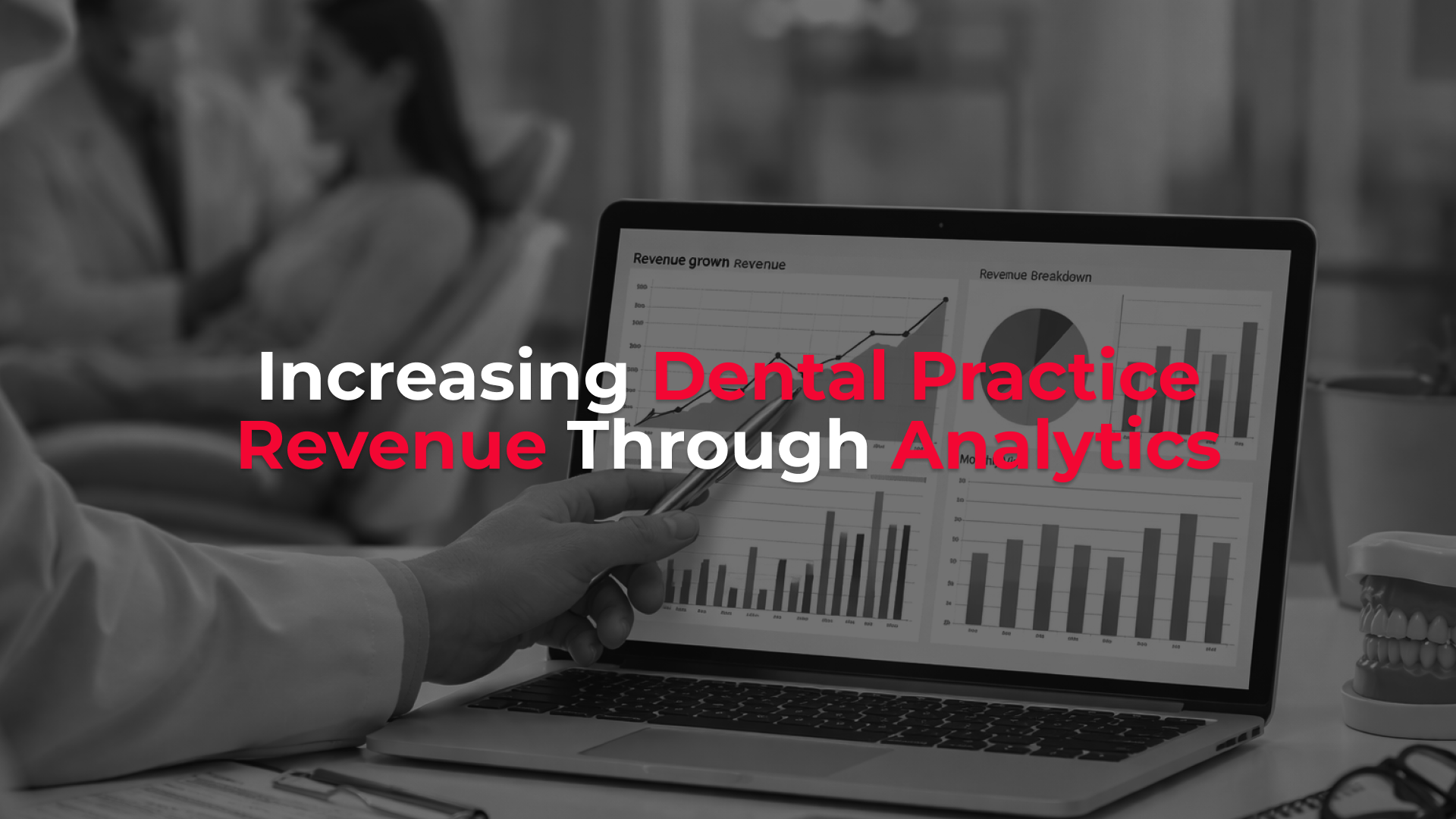 Increasing Dental Practice Revenue Through Analytics
One of the biggest advantages of dental practice analytics is its direct impact on revenue. Instead of focusing only on total income, clinics can analyze which services generate the highest returns and allocate resources accordingly.
For example, if cosmetic treatments show higher profitability and demand, the clinic can prioritize marketing efforts and staff training in that area. Additionally, analytics can uncover missed revenue opportunities, such as overdue follow-ups or incomplete treatment plans. Proactively addressing these gaps helps increase dental practice revenue without additional acquisition costs. Complete Guide to Dental Practice Analytics
 Leveraging Technology for Data-Driven Dental Growth
Managing data manually can quickly become overwhelming. This is where modern dental SaaS solutions make a significant difference. These systems integrate data from multiple sources—appointments, billing, and patient records—into intuitive dashboards.
With real-time insights, practice owners can make faster and more accurate decisions. A well-designed dental SaaS platform not only simplifies dental KPI tracking but also enhances operational visibility, helping clinics scale efficiently while maintaining high standards of care.
 Conclusion: Turning Data into Actionable Growth
In today’s dental industry, success depends on making informed, data-driven decisions. Dental practice analytics provides the clarity needed to identify inefficiencies, improve performance, and unlock new growth opportunities.
By focusing on dental KPI tracking, performance metrics, and actionable insights, clinics can enhance efficiency, increase revenue, and strengthen patient relationships. Adopting the right tools and strategies ensures that data becomes a powerful asset rather than an unused resource.
Start leveraging your data today and transform your dental practice into a smarter, more profitable, and patient-focused business.