Future of AI in Dental Operations: Data-Driven Growth and Decision Intelligence
Explore how AI is transforming dental operations with predictive analytics, smarter decision-making, and data-driven strategies for future-ready dental practices
The Future of AI in Dental Operations: Transforming Clinics with Data-Driven Efficiency
Dental clinics today face growing pressure to balance patient care quality with operational efficiency. Managing appointment schedules, treatment plans, billing, and patient communication can quickly become overwhelming, especially as patient expectations evolve alongside advances in technology.
The future of AI in dental operations is not just about automation—it’s about transforming how clinics think, decide, and scale. By combining predictive analytics with real-time insights, AI enables dental practices to move from reactive management to proactive, data-driven dental decisions and smarter operations.
 Navigating Complexity in Dental Practice Management
Many dental clinics struggle with fragmented systems that don’t communicate effectively. Practice managers often spend hours reconciling schedules, managing billing inconsistencies, or manually following up with patients.
This operational friction leads to inefficiencies, lost revenue, and missed opportunities for patient engagement.
More importantly, AI introduces predictive capabilities that go beyond traditional AI-driven no-show reduction strategies.
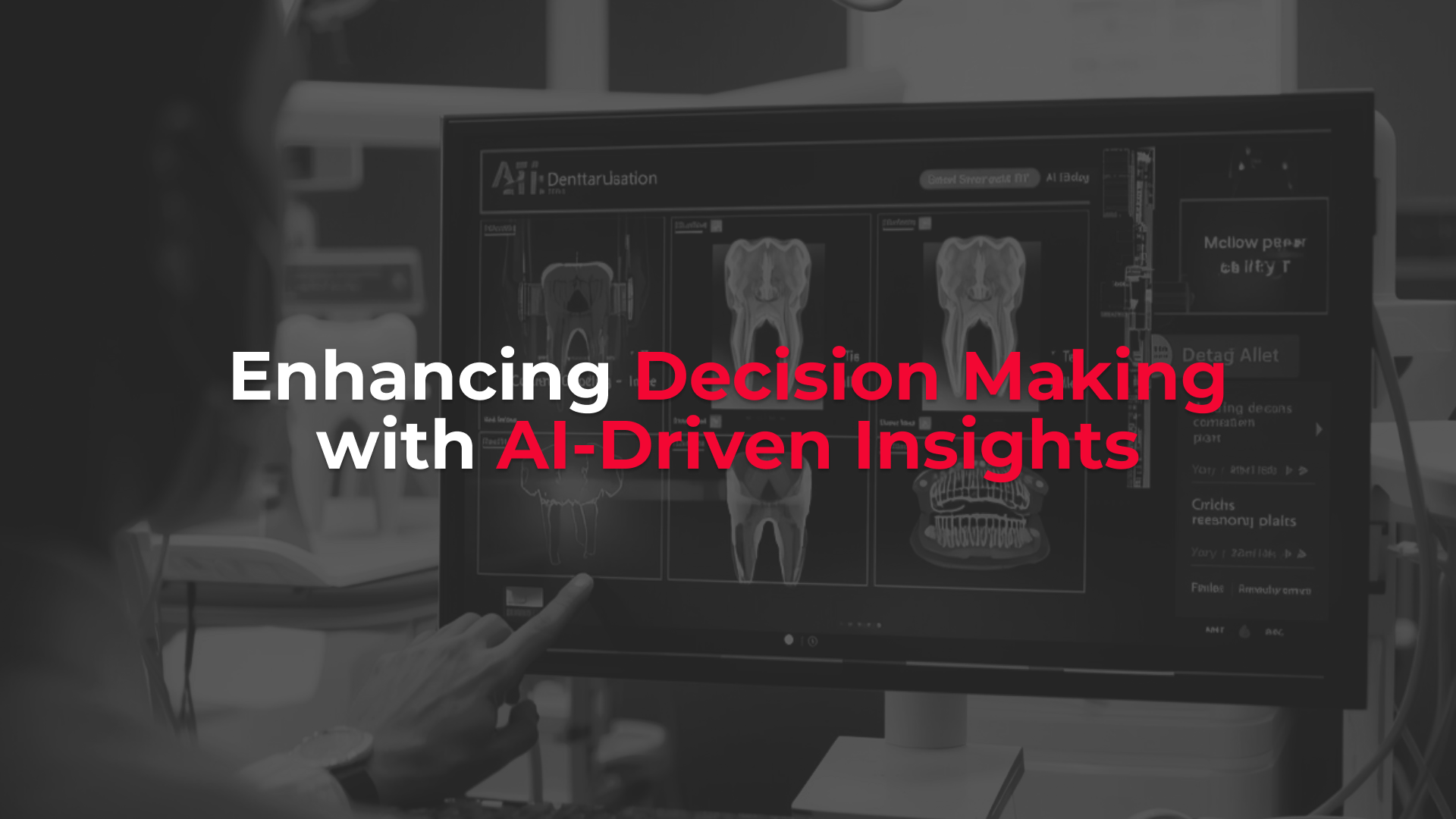 Enhancing Decision Making with AI-Driven Insights
One of the most significant shifts AI brings is in decision-making. Traditionally, dental practices rely on historical reports or intuition, which often leads to delayed or suboptimal decisions.
AI-driven systems allow clinics to move from static reporting to dynamic insights using dental practice financial metrics and real-time data
AI changes this by transforming fragmented data into structured, actionable insights. By analyzing patient behavior, treatment history, and operational data, AI enables smarter, faster decisions.
For example, clinics can identify patterns in treatment acceptance, predict patient drop-offs, and optimize follow-ups accordingly. This shift from reporting to intelligence allows practices to improve both operational efficiency and patient outcomes.
 Embracing Digital Transformation in Dentistry
Digital transformation in dentistry is moving beyond basic digitization toward intelligent systems that continuously learn and improve.
AI technologies such as machine learning and natural language processing are enabling clinics to automate not just tasks—but decision flows. Chatbots, automated communication systems, and intelligent scheduling tools are already improving patient engagement and operational efficiency.
More advanced applications include real-time diagnostics, predictive care planning, and integrated workflow management systems that connect every aspect of the practice into a unified ecosystem.
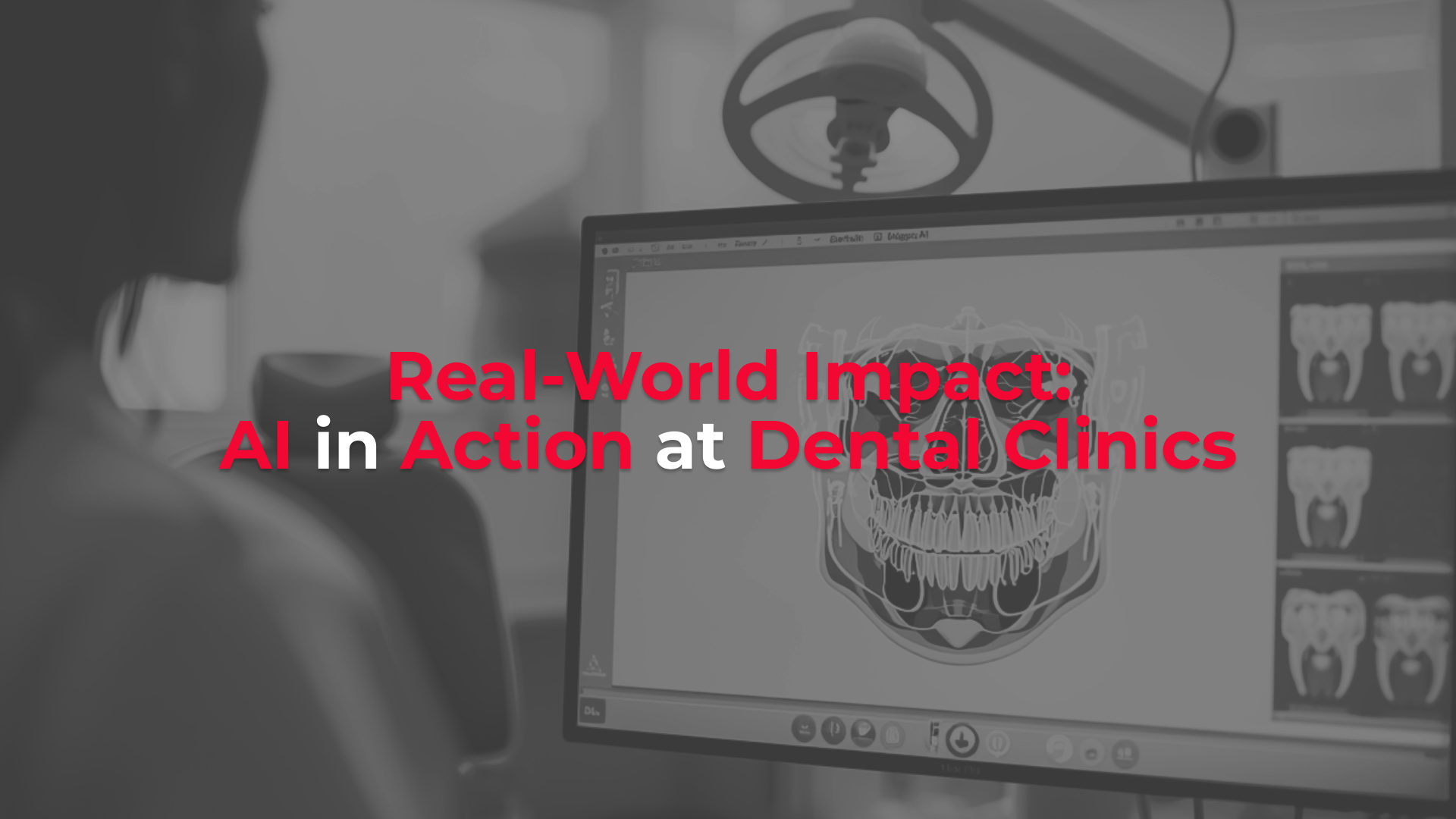 Real-World Impact: AI in Action at Dental Clinics
Clinics using predictive analytics can reduce inefficiencies and optimize scheduling, similar to strategies used in appointment reminder automation.
Additionally, AI-driven insights help practices refine treatment acceptance strategies and improve overall performance.
Take the example of a mid-sized dental practice facing high no-show rates and inconsistent revenue cycles. By implementing AI-driven predictive analytics, the clinic was able to forecast appointment cancellations and adjust scheduling dynamically.
The system also identified patterns in treatment acceptance, allowing the clinic to improve communication strategies and patient education.
Within months, the practice saw improved chair utilization, better patient engagement, and more consistent revenue flow—demonstrating how AI transforms operations at both strategic and execution levels.
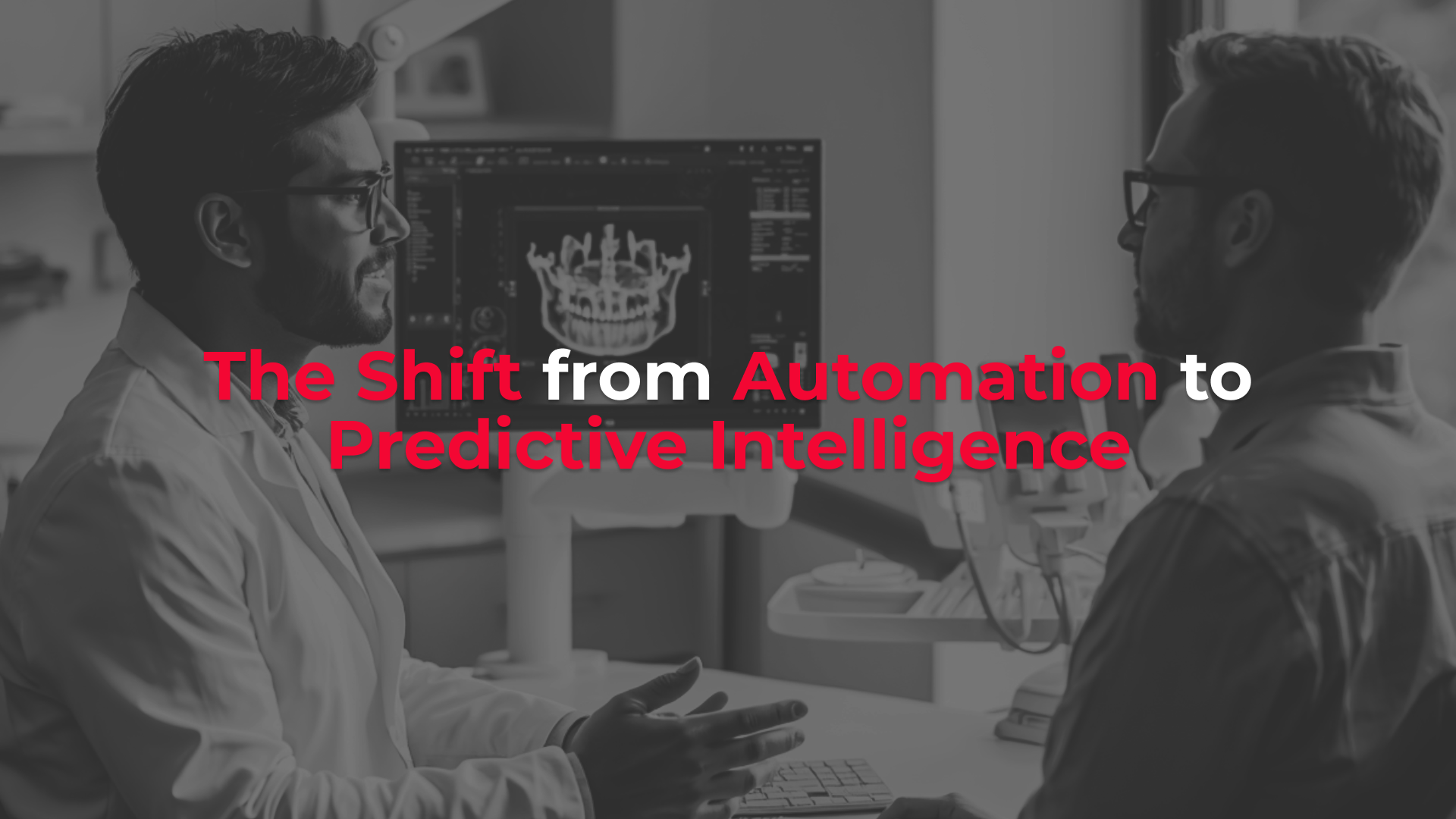 The Shift from Automation to Predictive Intelligence
While early AI adoption focused on automation, the future lies in predictive and prescriptive intelligence.
Predictive analytics allows clinics to:
- Anticipate patient behavior
- Identify operational risks
- Optimize scheduling and resource allocation
This evolution marks a shift from simply reducing workload to enabling smarter decision-making. Practices that adopt this approach gain a competitive advantage by operating with clarity, precision, and foresight.
 How AI-Powered Dental SaaS Systems Enable Scalable Growth
Modern dental SaaS platforms integrate scheduling, billing, communication, and analytics into a single system powered by AI.
This integration provides leadership with real-time visibility into performance, enabling proactive management instead of reactive problem-solving.
By reducing operational friction and enabling data-driven decisions, these systems allow practices to scale efficiently while maintaining high standards of patient care.
 Conclusion: Preparing for an AI-Driven Future
The future of AI in dental operations is already taking shape. Practices that embrace AI-driven decision-making, predictive analytics, and integrated systems will be better positioned to navigate complexity and drive growth.
AI is not replacing human expertise—it is augmenting it. By combining clinical excellence with intelligent systems, dental practices can achieve greater efficiency, improved patient outcomes, and sustainable long-term success.
The next phase of dentistry will not be defined by how much data clinics have—but by how effectively they use it.
References
- Gupta, E., et al. (2025). Recent dental practices using Artificial Intelligence (AI): A survey.
- Ghaffari, M., et al. (2024). A review of advancements of artificial intelligence in dentistry.
- Bamashmous, M., et al. (2025). The role of artificial intelligence in transforming dental public health.
- Wang, L., et al. (2025). Application of machine learning in dentistry.
- ScanO AI Research. (2026). Predictive analytics in dentistry: From data to decision-making.