Creating a Patient-Centered Dental Experience | Improve Patient Engagement & Retention
Learn how to create a patient-centered dental experience through communication, personalization, trust, and streamlined systems to improve satisfaction and retention
Creating a Patient-Centered Dental Experience: Beyond Treatment to Trust and Engagement
Dental clinics today face a critical challenge: patients expect more than just quality treatment. They want to feel understood, engaged, and confident throughout their entire dental journey.
Many practices struggle with patient-centered dental care because they focus primarily on clinical outcomes, overlooking how communication, personalization, trust, and operational systems shape the overall experience.
A patient-centered dental experience is not just about treatment—it’s about how patients feel, understand, and engage at every step of their journey.
 The Communication Gap: More Than Just Words
One of the biggest challenges dental clinics face is ineffective communication. Patients often leave appointments confused about their treatment plans or unsure about next steps. This lack of clarity can reduce trust and negatively impact dental patient satisfaction.
Improving communication means delivering clear, timely, and personalized information. Automated reminders, pre-visit instructions, and post-treatment follow-ups help patients stay informed and confident.
Research shows that effective communication plays a critical role in patient-centered care and directly improves satisfaction and engagement.
Practices can enhance engagement by implementing automated patient communication systems in dental clinics, ensuring consistent and personalized interactions across the patient journey.
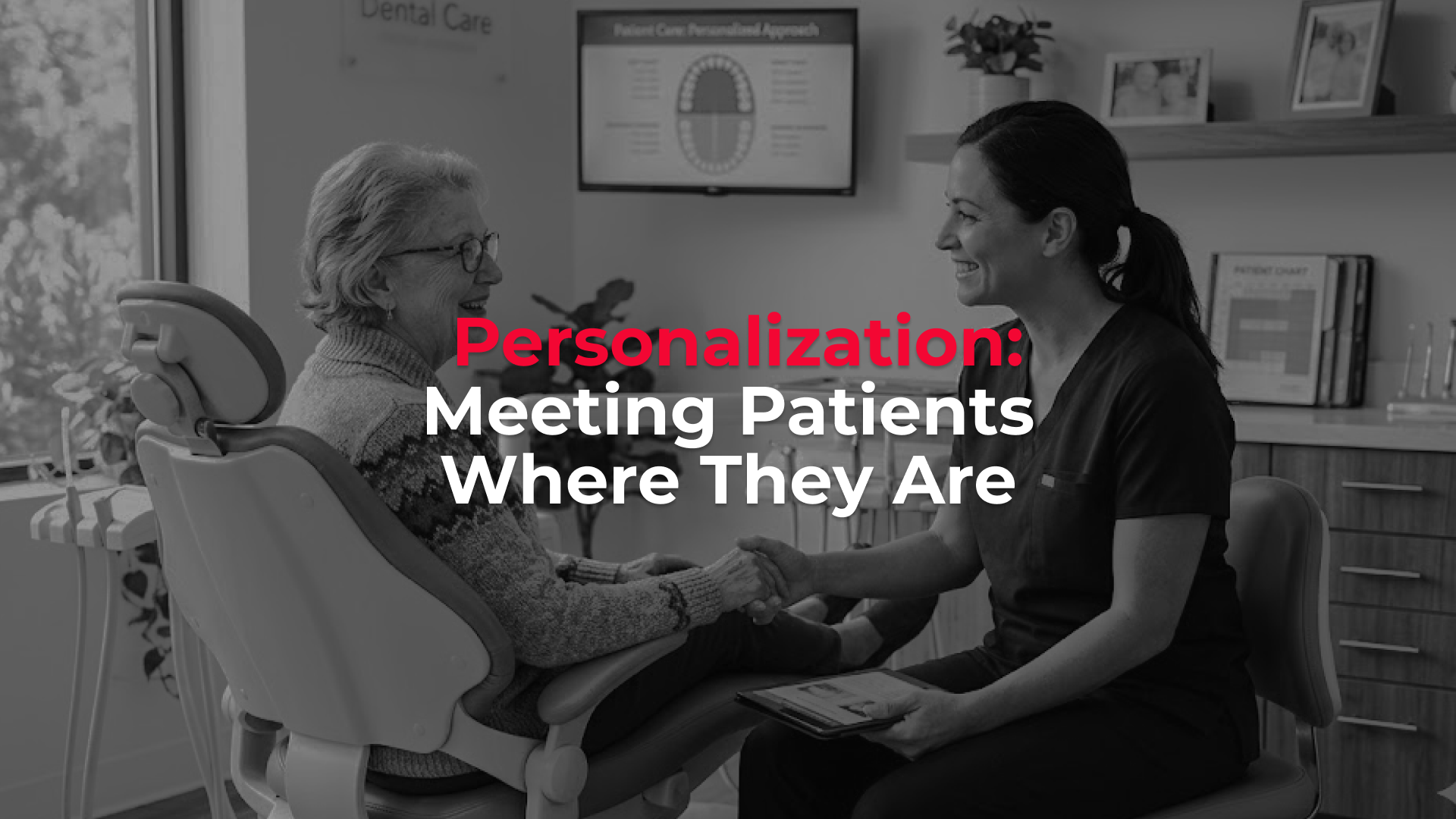 Personalization: Meeting Patients Where They Are
Patients expect care that reflects their individual needs, preferences, and history. Generic approaches often fail to create meaningful engagement and can impact retention.
A patient-centered approach involves tailoring communication, treatment plans, and follow-ups based on each patient’s profile. Segmenting patients by demographics, treatment history, and preferences enables more relevant and effective care.
Studies show that patient-centered care improves satisfaction and health outcomes when aligned with individual patient needs.
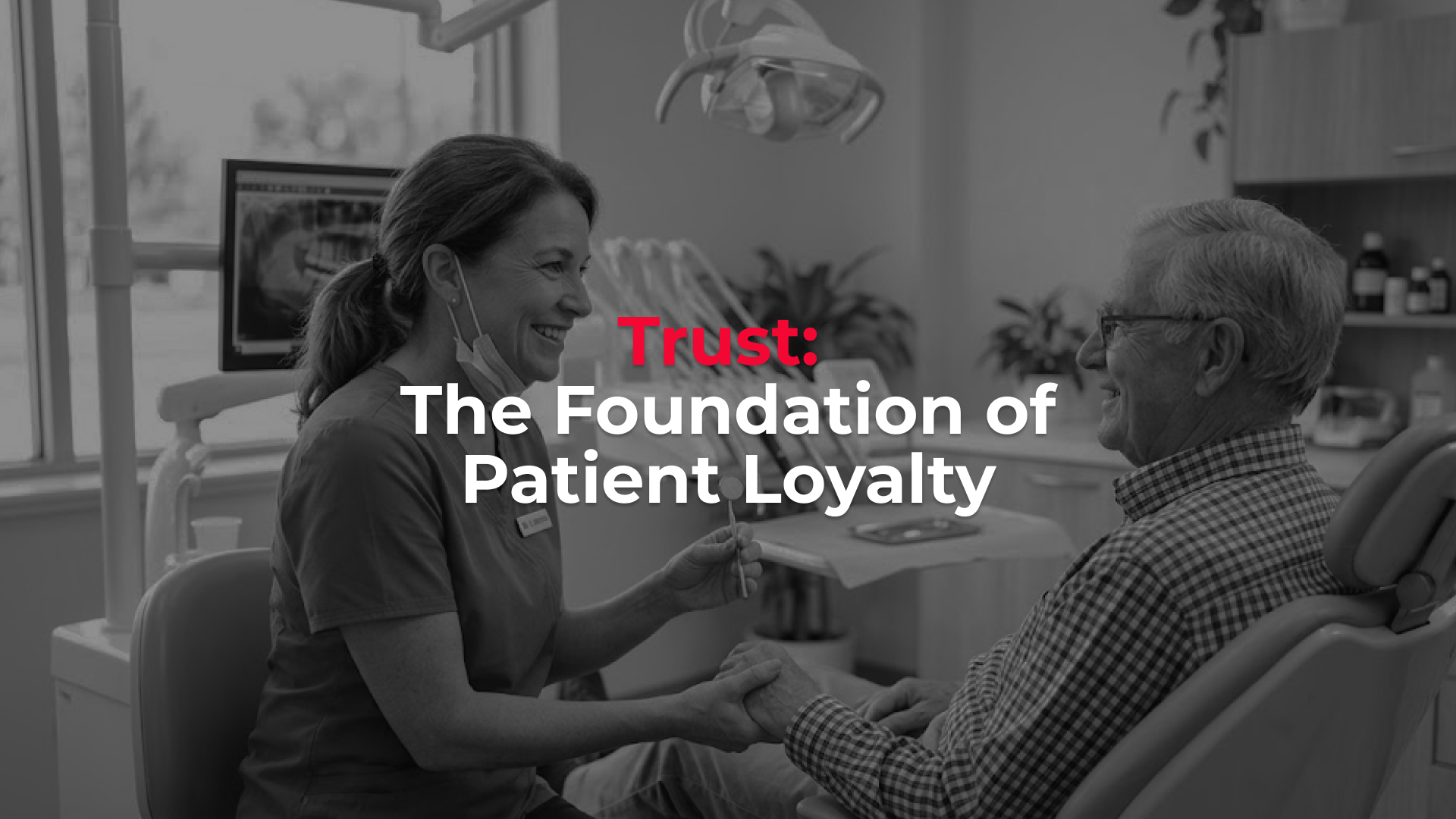 Trust: The Foundation of Patient Loyalty
Trust is the foundation of long-term patient relationships. It is built through transparency, consistency, and patient involvement in decision-making.
When clinics clearly explain treatment options, costs, and expected outcomes, patients feel more confident and engaged.
Patient-centered models emphasize shared decision-making and respect for patient preferences, which strengthens trust and loyalty.
Practices can strengthen credibility by focusing on increasing dental Google reviews and online reputation, which plays a crucial role in building patient trust and attracting new patients.
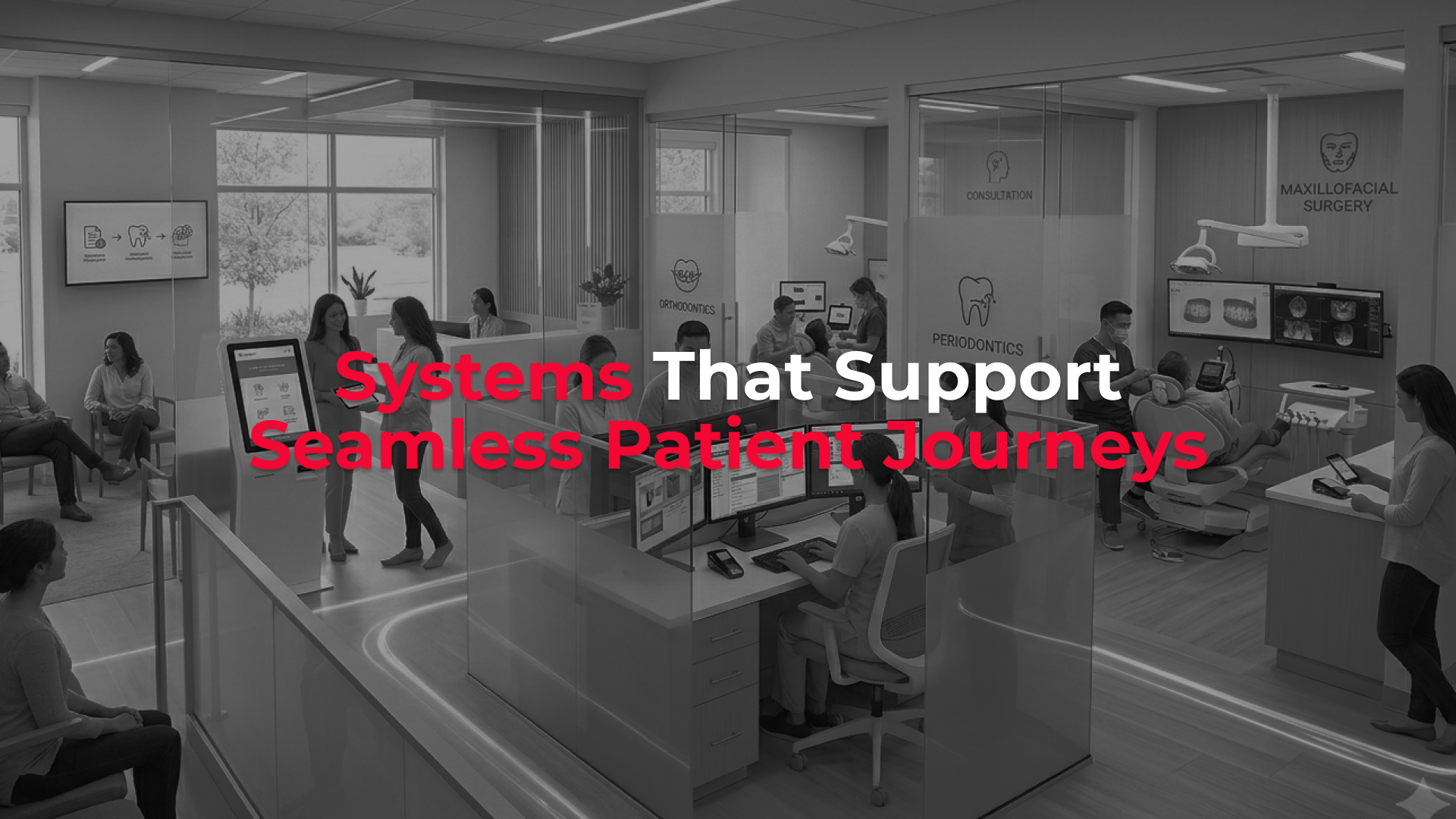 Systems That Support Seamless Patient Journeys
Even with strong communication and personalization, inefficient systems can disrupt the patient experience. Long wait times, scheduling issues, and billing confusion create friction that undermines trust.
Patient experience is shaped across the entire journey—before, during, and after visits—making system efficiency critical.
Integrated systems help streamline workflows, reduce inefficiencies, and create a smoother, more predictable experience for patients.
Clinics can improve patient flow by optimizing front desk operations and scheduling efficiency in dental clinics, ensuring smoother coordination and reduced wait times.
Additionally, adopting strategies to reduce administrative overhead in dental practices allows teams to focus more on patient care.
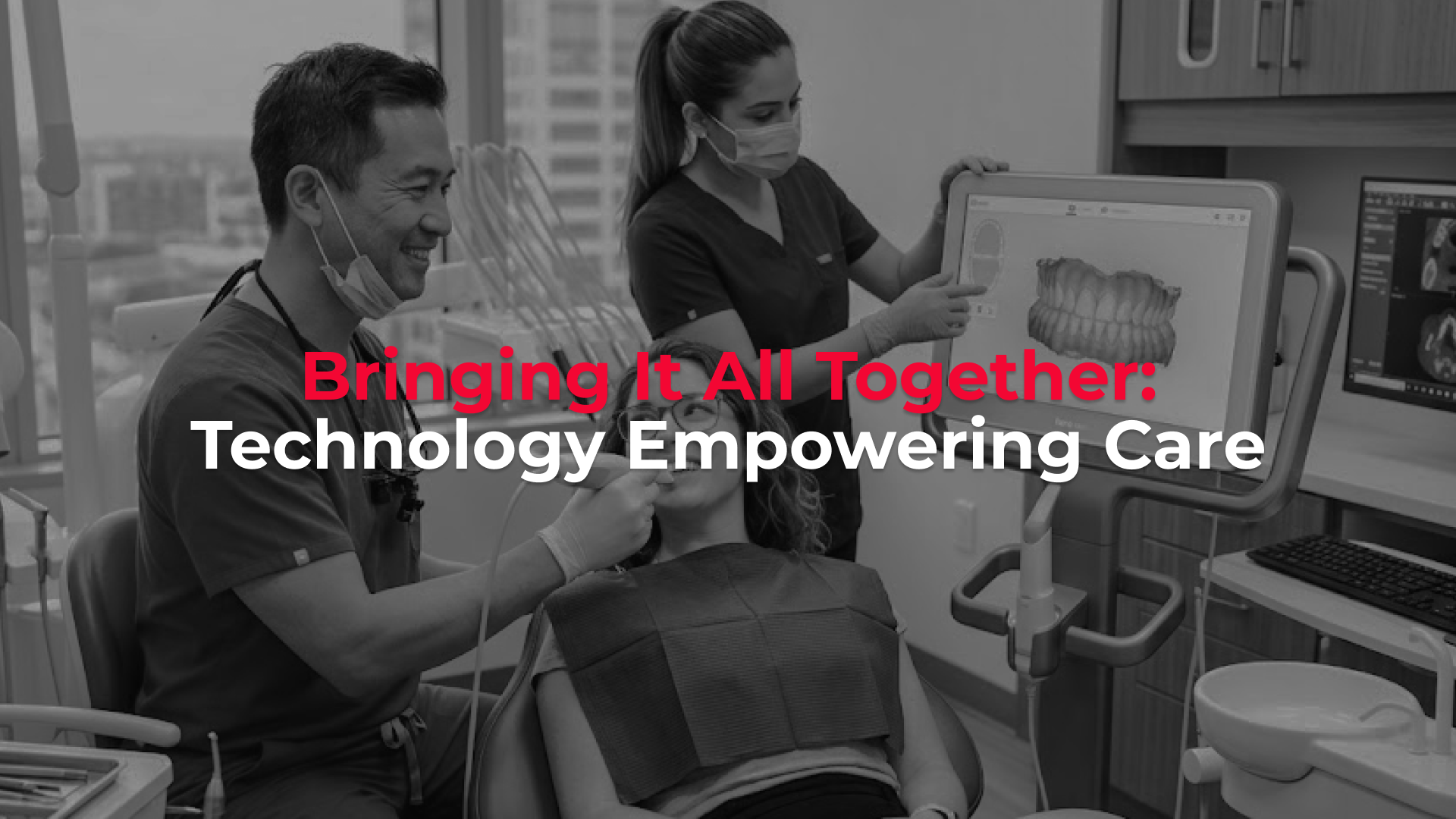 Bringing It All Together: Technology Empowering Care
A patient-centered dental experience is achieved when communication, personalization, trust, and systems work together seamlessly.
Modern dental platforms help unify these elements through automation, data tracking, and real-time insights. This reduces operational friction and allows clinics to focus more on delivering quality patient care.
This aligns with the shift toward AI-powered dental practice management systems, where automation and data insights enhance both efficiency and patient experience.
The result is improved patient engagement, stronger retention, and better overall performance.
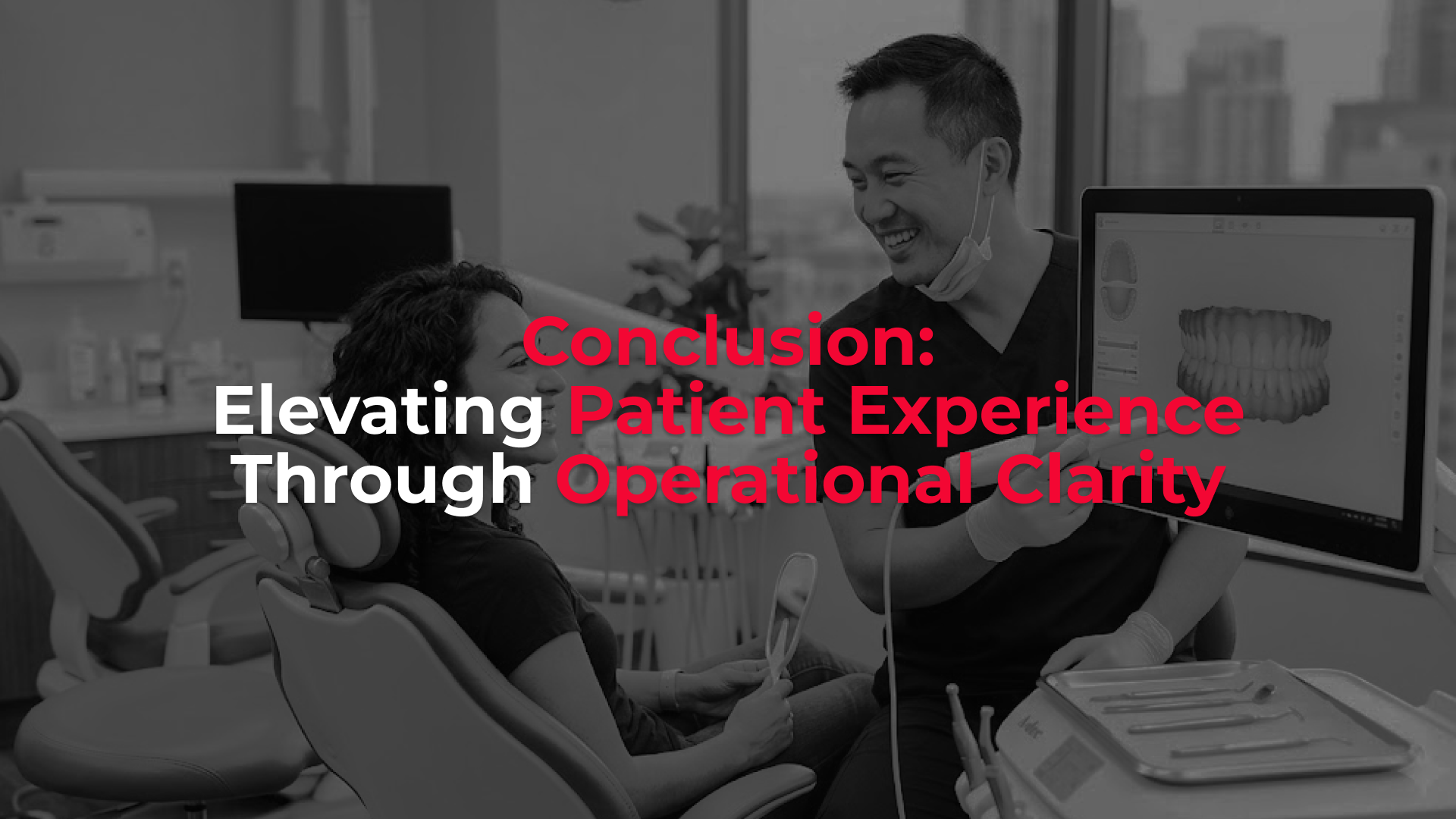 Conclusion: Elevating Patient Experience Through Operational Clarity
Creating a patient-centered dental experience requires more than clinical expertise—it demands a system-driven approach to care.
By improving communication, personalizing interactions, building trust, and optimizing systems, dental practices can create meaningful experiences that drive satisfaction and long-term growth.
As patient expectations continue to evolve, clinics that prioritize experience alongside clinical excellence will stand out in competitive markets.
References
- Kristensen, C. B., et al. (2023). Enhancing patient-centred care in dentistry: A narrative review. British Medical Bulletin. (OUP Academic)
- Scambler, S., et al. (2014). Patient-centred care in dentistry: Understanding and practice. BMC Oral Health. (PMC)
- Javadi, S. K. H. S., et al. (2025). Patient experience and dental service utilization: A narrative review. (PMC)
- Khamnil, Y., et al. (2025). Patient-centred care and its impact on satisfaction and outcomes. (ScienceDirect)
- Lee, H., et al. (2018). Person-centered care model in dentistry. (PMC)