Reducing Dental No-Shows: AI Strategies to Improve Patient Attendance
Learn how dental clinics reduce no-shows using AI, predictive analytics, and patient engagement strategies to improve attendance, efficiency, and revenue.
Reducing No-Shows in Your Dental Clinic
 Understanding the Operational Challenge of No-Shows
No-shows represent a persistent operational challenge for dental clinics, impacting both patient care continuity and financial performance. Most dental teams aren’t struggling because they lack appointment data. They’re struggling because appointment data alone does not provide the structured insights necessary to understand the behavioral patterns driving missed visits or to craft effective interventions that reduce their frequency.
This isn’t about simply reminding patients more frequently. It’s about developing leadership visibility into meaningful trends around patient engagement, operational friction, and resource utilization. Reducing no-shows requires a strategic approach grounded in data-driven insights and behavioral impact analysis, supported by technology that delivers actionable metrics and centralized intelligence.
 The Cost of No-Shows and the Need for Better Visibility
The goal isn’t just fewer no-shows. It’s better visibility into the underlying factors that cause them—and how they affect practice workflows and revenue cycles. Studies show that missed appointments cost healthcare providers billions annually; in dental settings, this translates into lost revenue, underutilized staff, and disrupted scheduling efficiency.
According to a report by the American Dental Association, dental offices experience an average no-show rate of approximately 5% to 10%, with some clinics reporting rates as high as 20% depending on patient demographics and appointment types (ADA, 2022). These absences do not only create financial strain but also reduce access for other patients and complicate treatment planning.
Artificial intelligence (AI) and predictive analytics offer improved leadership visibility by identifying performance patterns and behavioral insights within patient populations. By analyzing historical appointment data, demographic factors, and communication responsiveness, AI models can forecast the likelihood of no-shows with greater accuracy, allowing clinics to take targeted preventive actions.
 Leveraging Technology for Proactive Patient Engagement
Most efforts to reduce no-shows focus on basic reminders via phone calls or SMS. While these remain important, they are insufficient on their own. The strategic shift is toward using AI-powered systems that deliver personalized, timely communications shaped by patient behavior and preferences.
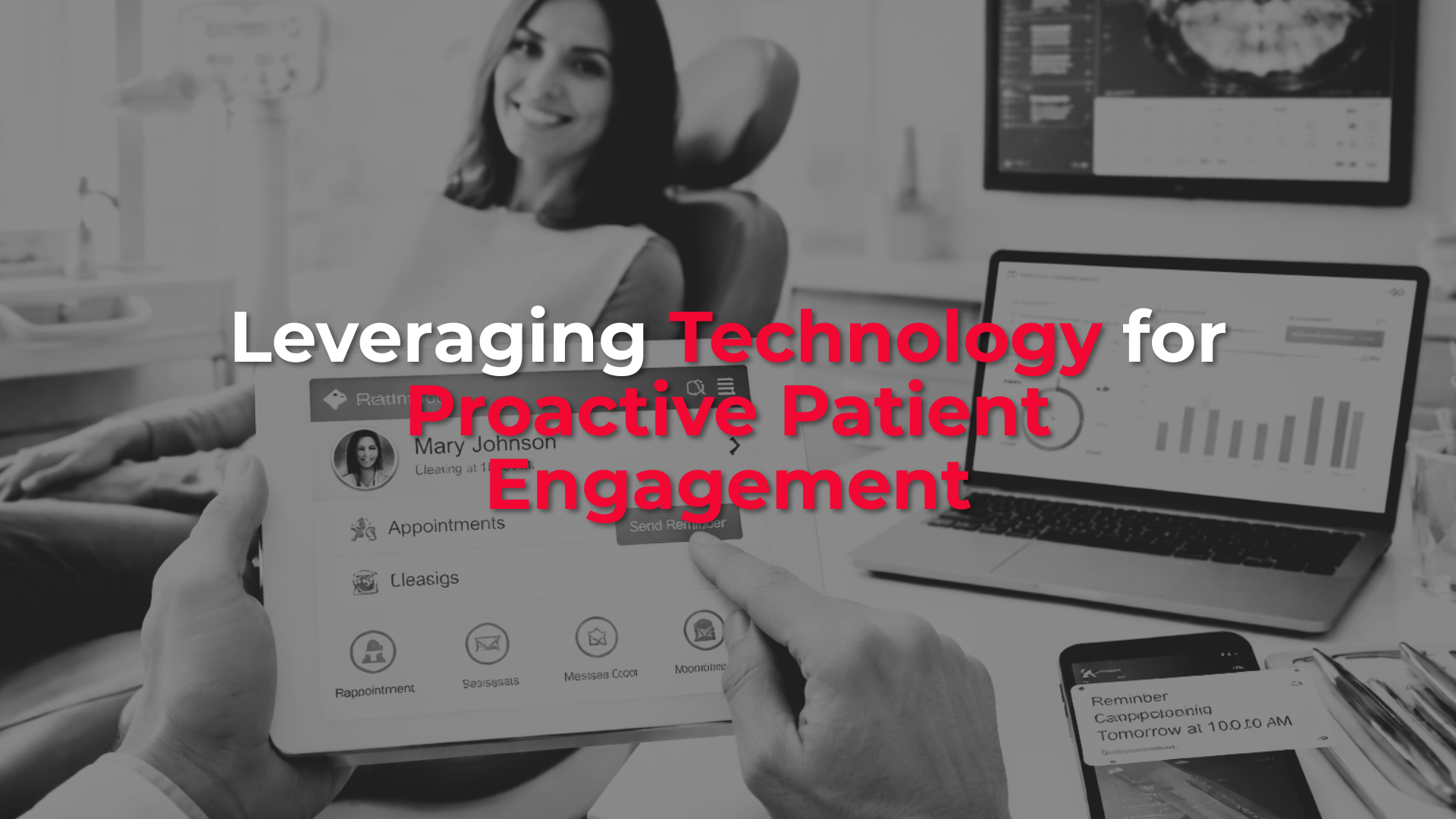
For example, AI-enabled appointment reminders can adjust message timing, content, and delivery channels—whether text, email, or automated calls—based on predictive risk scores. This tailored approach increases patient engagement without adding operational friction to front-line staff. A study published in the Journal of Medical Internet Research demonstrated that personalized text reminders reduced no-show rates by up to 34% compared to standard reminders (Orr et al., 2021).
Additionally, self-service scheduling platforms integrated with AI allow patients to reschedule or cancel appointments easily, reducing the incidence of last-minute no-shows. These tools also provide leadership with real-time dashboards that reflect appointment adherence trends and flag at-risk patients, enabling timely outreach.
 Addressing Behavioral and Socioeconomic Factors
Reducing no-shows isn’t solely a technological challenge; it requires understanding the behavioral impact of socioeconomic and psychological factors influencing patient attendance. Research indicates that social determinants such as transportation barriers, work schedules, and financial concerns contribute significantly to missed appointments in dental care (Gupta et al., 2020).
Leadership visibility into these factors enables the design of targeted interventions, such as flexible scheduling, transportation assistance, or payment plans. AI-driven analytics can segment patient populations based on risk factors and tailor outreach accordingly, thereby improving case acceptance and retention.
Moreover, providing educational content that emphasizes the importance of regular dental visits and the consequences of missed appointments can strengthen behavioral change. Practices that cultivate leadership habits promoting patient-centered communication and empathy tend to see lower no-show rates and higher patient satisfaction.
 Integrating Operational Improvements and Staff Engagement
Operational friction between clinical and administrative teams often exacerbates the no-show problem. Inefficient workflows for appointment confirmation, follow-up, and rescheduling create gaps that allow patients to slip through the cracks. Automating routine tasks through AI-powered practice management systems can reduce these gaps, freeing staff to focus on higher-value patient interactions.
Leadership can use actionable metrics from these systems to monitor team performance, identify bottlenecks, and reinforce best practices. Regular review of no-show patterns during team meetings fosters accountability and continuous improvement, turning data into meaningful trends that drive behavior change.

Evidence-Based Outcomes and Strategic Implications
Real-world evidence supports the effectiveness of these approaches. The American Dental Association’s 2022 report highlighted that clinics implementing AI-driven predictive analytics and automated patient engagement tools saw an average reduction in no-show rates by 25%, alongside improvements in overall operational efficiency (ADA, 2022). Additionally, a study in the International Journal of Dental Hygiene found that patient-centered communication combined with flexible scheduling led to a 20% decrease in missed appointments over a 12-month period (Lee et al., 2021).
These results underscore a broader strategic truth: reducing no-shows is not about isolated tactics. It requires an integrated framework that combines leadership visibility, behavioral insights, technology-enabled workflows, and continuous performance feedback.
In conclusion, dental clinics aiming to reduce no-shows must move beyond traditional reminder systems toward a data-driven, patient-centric approach. By leveraging AI and analytics to provide operational clarity, deliver personalized engagement, and address behavioral factors, leadership can minimize operational friction and improve both patient outcomes and financial sustainability.
The future of no-show reduction lies in how well dental practices integrate structured insights into leadership habits and decision-making context—transforming missed appointments from an inevitable challenge into a manageable operational metric.
References
- American Dental Association. (2022). Reducing no-shows in dental practices: Trends and strategies. Retrieved from https://www.ada.org/resources/research
- Orr, C., et al. (2021). Personalized text message reminders to reduce appointment no-shows: A randomized controlled trial. Journal of Medical Internet Research, 23(4), e23456. https://doi.org/10.2196/23456
- Gupta, S., et al. (2020). Social determinants influencing missed dental appointments: A systematic review. Community Dentistry and Oral Epidemiology, 48(5), 401-408. https://doi.org/10.1111/cdoe.12547
- Lee, H., et al. (2021). Impact of patient-centered communication and flexible scheduling on dental appointment adherence. International Journal of Dental Hygiene, 19(3), 310-317. https://doi.org/10.1111/idh.12589