
Dental Patient Retention: Proven Strategies for Competitive Markets
Discover how to improve dental patient retention with better patient experience, automation, and data-driven strategies to stay competitive and grow your practice.
Improving Dental Patient Retention in Competitive Markets: Strategies That Work
In today’s crowded dental landscape, attracting new patients is no longer enough to sustain growth. With increasing competition, clinics must focus on what truly drives long-term success—dental patient retention.
Patients now have more choices than ever, and even a single poor experience can lead them to switch providers. For dental clinic owners and practice managers, the challenge is not just bringing patients in—but ensuring they stay, return, and become loyal advocates. Improving dental patient retention requires a combination of strategy, experience, and systems that consistently deliver value.
 Why Dental Patient Retention Is a Growing Challenge
Many practices struggle with patient churn, losing patients to competitors or seeing inconsistent follow-ups. While acquiring new patients is expensive, losing existing ones directly impacts both revenue and growth stability.
In competitive markets, patients are more likely to leave due to factors like poor communication, long wait times, or lack of personalization. Without a strong retention strategy, clinics face higher no-show rates, reduced patient loyalty, and unpredictable scheduling gaps.
Improving retention starts with understanding that patient expectations have evolved—and practices must evolve with them.
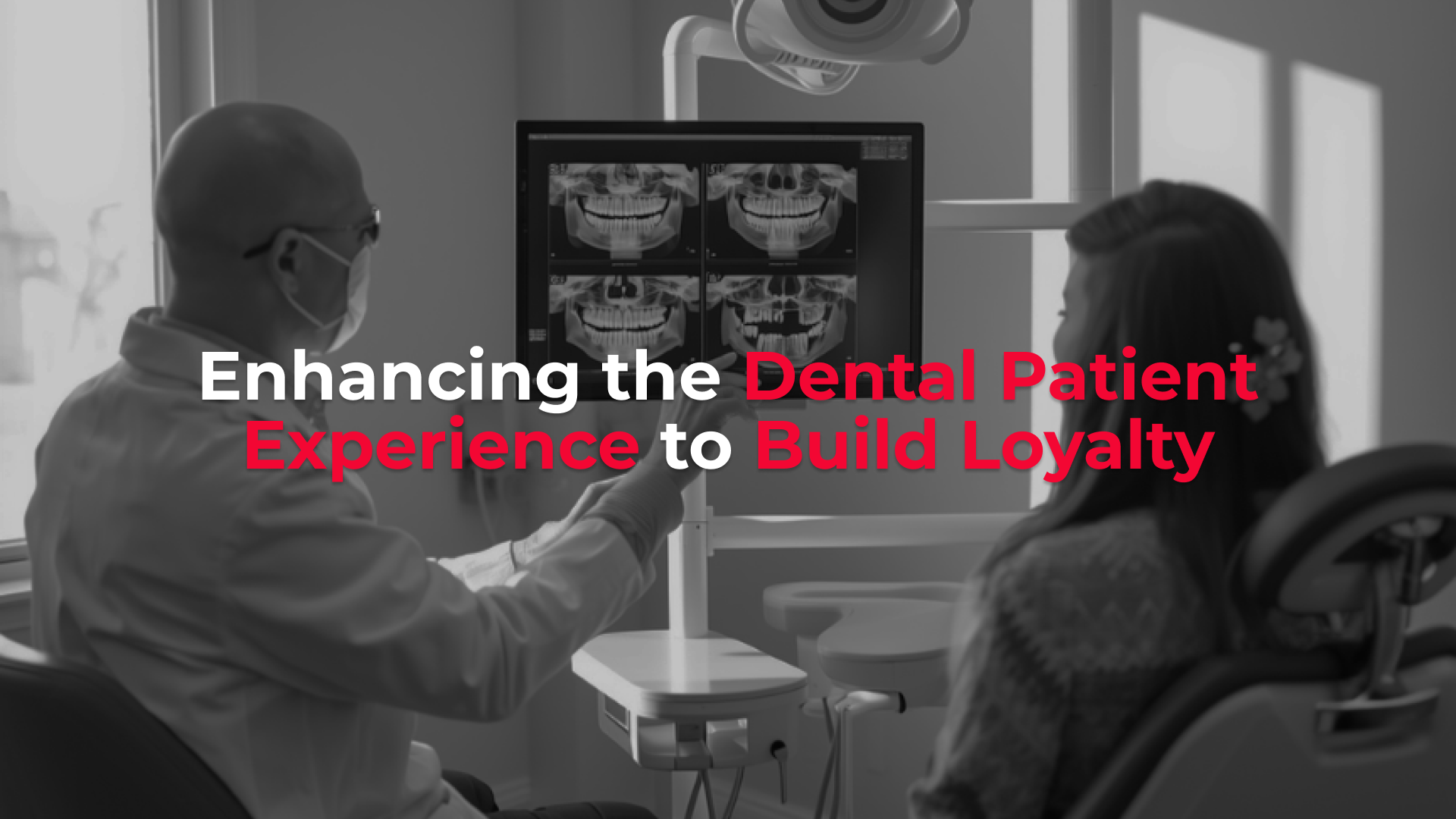 Enhancing the Dental Patient Experience to Build Loyalty
One of the most effective ways to improve dental patient retention is by focusing on the patient experience. Retention is no longer driven by clinical outcomes alone—it’s shaped by how patients feel throughout their journey.
From the first interaction to post-treatment follow-ups, every touchpoint matters. A patient who is greeted warmly, experiences minimal wait times, and receives clear communication is far more likely to return.
For example, a dental clinic that redesigned its scheduling workflow to reduce wait times and trained staff on communication saw a noticeable improvement in patient satisfaction—and retention increased as a direct result.
Consistent, high-quality experiences build trust, and trust drives long-term patient loyalty.
 Practical Dental Patient Retention Strategies That Work
Improving dental patient retention requires actionable strategies that go beyond basic follow-ups.
Effective approaches include:
- Implementing consistent appointment reminders to reduce dental no-shows
- Offering flexible scheduling options to accommodate patient needs
- Creating personalized communication based on patient history
For instance, clinics that introduced evening or weekend appointments saw fewer cancellations and stronger patient engagement.
Retention is not about one tactic—it’s about combining multiple strategies to create a seamless and reliable patient experience.
 Leveraging Technology to Strengthen Patient Relationships
Technology plays a critical role in improving patient retention. A well-integrated system allows clinics to automate communication, personalize patient interactions, and maintain consistency across all touchpoints.
Using a patient communication automation system, clinics can ensure timely follow-ups, reminders, and personalized interactions..
For example, a multi-location dental practice that implemented a centralized system saw improved patient engagement, fewer missed appointments, and a measurable increase in retention rates.
Technology enables clinics to move from reactive communication to proactive patient relationship management.
 Reducing No-Shows to Improve Retention
No-shows are one of the biggest barriers to patient retention. Missed appointments disrupt schedules, reduce efficiency, and weaken patient engagement over time.
Implementing systems to reduce dental no-shows—such as automated reminders, easy rescheduling options, and confirmation workflows—can significantly improve retention rates.
In one case, a clinic introduced automated confirmations 24 hours before appointments and reduced no-shows dramatically. This not only improved scheduling consistency but also strengthened patient accountability and engagement.
 Using Data to Continuously Improve Retention
Retention is not a one-time effort—it requires continuous improvement. Clinics that leverage dental practice analytics gain valuable insights into patient behavior, appointment trends, and retention patterns.
By analyzing this data, practices can identify gaps, optimize workflows, and refine their strategies. Data-driven decisions help ensure that retention efforts are targeted, effective, and scalable.
In competitive markets, this level of insight provides a significant advantage.
 Conclusion: Turn Patient Retention into a Competitive Advantage
Improving dental patient retention is not just about keeping appointments filled—it’s about building lasting relationships that drive sustainable growth.
By enhancing patient experience, implementing strategic retention practices, leveraging technology, and using data-driven insights, clinics can create a system that keeps patients engaged and loyal.
In a competitive market, retention becomes your strongest differentiator. Focus on delivering consistent value, and your patients will choose your practice again and again.