Dental Practice Cash Flow Management | Optimize Revenue Cycle & Collections
Learn how to manage dental practice cash flow by optimizing revenue cycle, collections, cost control, and predictive financial insights for sustainable growth.
Managing Cash Flow in a Dental Practice: Mastering the Revenue Cycle for Sustainable Growth
Dental clinics today face a persistent challenge: maintaining healthy cash flow while supporting daily operations and planning for long-term growth. Many practice owners assume that cash flow problems stem from insufficient revenue. In reality, most issues arise from a lack of control over the entire revenue cycle—from patient visits and billing to collections, cost management, and financial forecasting. Managing cash flow in a dental practice is not just about tracking money; it’s about controlling how and when money moves through your system.
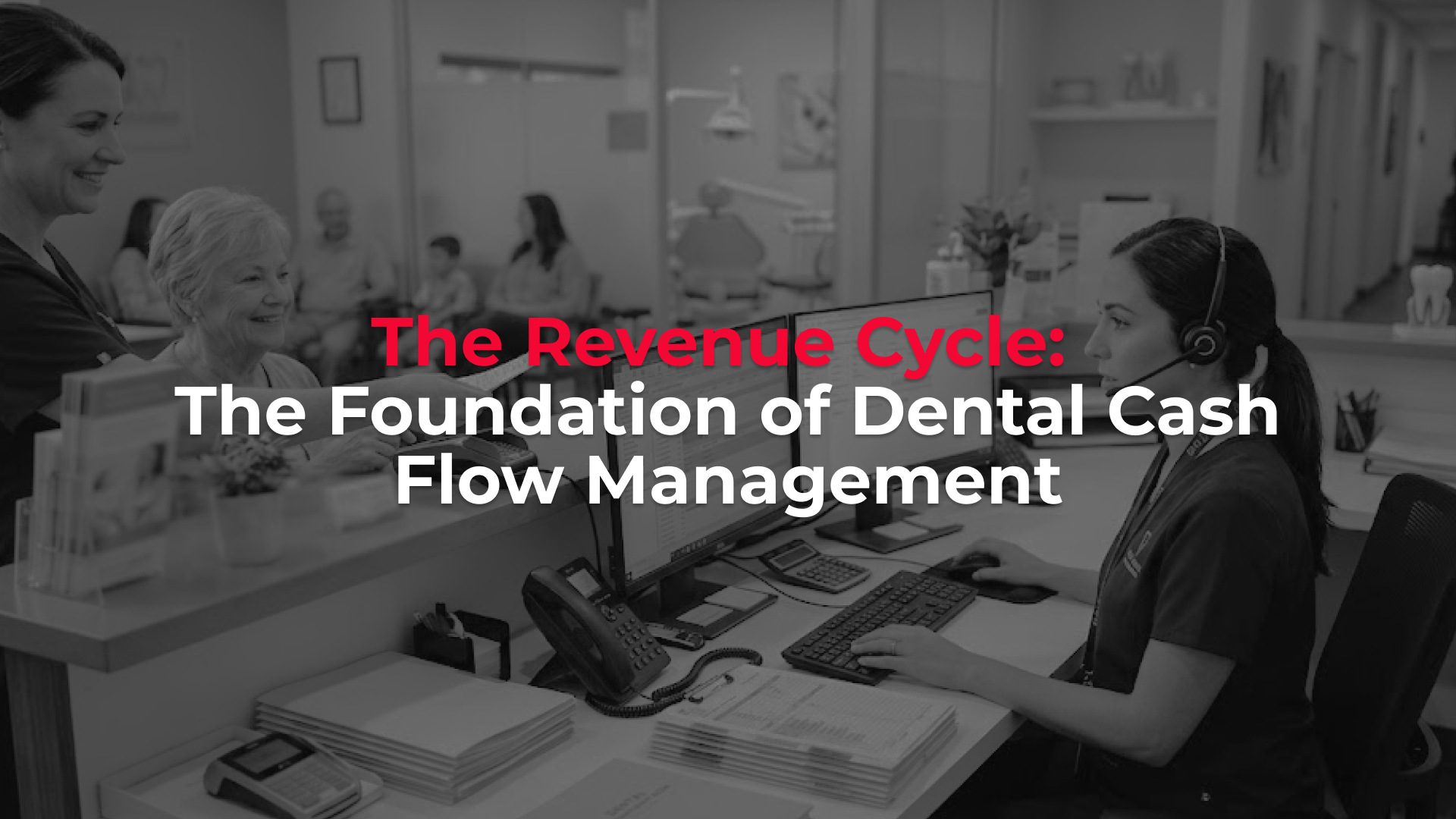 The Revenue Cycle: The Foundation of Dental Cash Flow Management
At the core of dental practice cash flow management lies the revenue cycle, which begins when a patient schedules an appointment and continues through treatment, billing, insurance claims, and final payment collection. Many practices experience delays due to insurance reimbursements, patient payment delays, and billing inefficiencies that lead to claim rejections. These gaps create inconsistent cash inflow even when production remains strong. Practices that leverage data-driven dental practice decisions can identify bottlenecks early and optimize their revenue cycle more effectively.
To address this, practices must streamline their revenue cycle by implementing systems that automate insurance verification, claim submission, and billing processes. When these systems are integrated, clinics gain real-time visibility into financial flows, enabling proactive decision-making and consistent cash movement.
 Optimizing Collections to Improve Cash Flow
Collections are a critical driver of cash flow but are often overlooked. Accounts receivable, including unpaid balances from patients and insurers, can accumulate quickly and strain liquidity. Many practices struggle with delayed payments due to unclear billing communication, lack of convenient payment options, and inconsistent follow-ups.
Improving collections requires a structured approach that combines automation, transparency, and accessibility. Clinics can strengthen payment consistency by adopting automated appointment reminders and follow-up systems that ensure timely patient communication. Additionally, improving patient communication workflows in dental practices helps reduce delays and improve collection rates.
 Controlling Costs Without Compromising Care
While increasing revenue is important, controlling costs is equally essential for maintaining strong cash flow. Dental practices often operate with high overhead expenses, including staff salaries, supplies, and facility costs. However, reducing costs should not compromise patient care quality.
The key is to use data-driven financial insights to identify inefficiencies and optimize spending. Practices can align cost control strategies with improving dental practice efficiency and operational workflows. Additionally, focusing on reducing administrative overhead in dental practices allows clinics to maintain profitability while improving operational performance.
 Leveraging Predictive Insights for Financial Stability
Modern dental practices are shifting from reactive financial management to predictive decision-making. Predictive analytics enables clinics to forecast cash flow trends, identify potential payment delays, and plan for seasonal fluctuations.
By analyzing patient behavior and financial patterns, practices can make informed decisions and reduce uncertainty. This approach aligns with AI-driven dental operations and predictive analytics, where data insights enable smarter financial planning and operational control.
 Integrating Technology for Cash Flow Efficiency
Managing cash flow manually is complex and inefficient. Modern dental practices rely on integrated technology systems to streamline financial operations. These systems combine revenue cycle management, automated collections, cost tracking, and analytics into a unified platform.
Automation reduces administrative workload and minimizes errors, while real-time dashboards provide leadership with visibility into financial performance. Integrated systems enable faster decision-making and help practices maintain consistent cash flow while improving overall operational efficiency.
Practices adopting these systems can also improve performance by tracking dental practice financial metrics and KPIs , ensuring better visibility into revenue and expenses. This integration supports more informed decisions and long-term financial stability.
 Conclusion: Mastering Cash Flow Through System-Level Control
Managing cash flow in a dental practice is not just about monitoring income and expenses—it requires control over the entire financial system. By optimizing the revenue cycle, improving collections, managing costs, and leveraging predictive insights, practices can achieve consistent and sustainable financial performance.
The most successful clinics build systems that prevent financial inefficiencies rather than reacting to them. With the right strategy and technology, cash flow becomes a strong foundation for growth instead of a recurring challenge.
References
- Clin Customer Discovery Research. (2026). Dental Practice Cash Flow Challenges and Revenue Cycle Insights.
- Kashyap, P. (2024). Strategies for Financial Growth in Dentistry. International Journal of Advanced Research.
- ACO Bloom. (2026). Dental Cash Flow Challenges and Accounting Strategies.
- CareStack. (2023). Effective Cash Flow Management in Dental Practices.
- Salas-Molina, F., et al. (2016). Improving Cash Management Through Predictive Accuracy.